


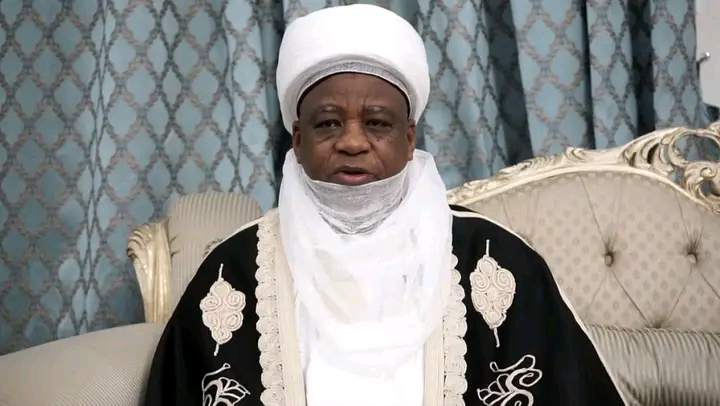
“2026 Officially Begins in Nigeria as Sultan of Sokoto Announces Crescent Moon Sighting”
The Sultan of Sokoto and President General of the Nigerian Supreme Council for Islamic Affairs (NSCIA), Sa’ad Abubakar, has declared Wednesday, February 18, 2026, as the first day of Ramadan 1447 AH in Nigeria, following the verified sighting of the crescent moon in various parts of the country.
In an official statement released from Sokoto, the Sultan confirmed that credible reports of the new moon were received from different states and authenticated in accordance with Islamic jurisprudence. The pronouncement formally ushers in the holy month of Ramadan for millions of Muslims across Nigeria.
Ramadan, the ninth month of the Islamic lunar calendar, is observed globally as a sacred period of fasting, prayer, reflection, and charity. From dawn to sunset each day, Muslims abstain from food, drink, and other physical needs as an act of devotion and spiritual discipline. The fast represents one of the Five Pillars of Islam and is regarded as a cornerstone of the faith.
Call for Unity and National Reflection
In his address, the Sultan urged Muslims to use the holy month to pray for peace, stability, and socio-economic progress in Nigeria. He emphasized the importance of tolerance, compassion, and lawful conduct, particularly during a period marked by economic pressures and security concerns in parts of the country.
The NSCIA traditionally coordinates moon sighting reports nationwide before issuing a unified declaration. This structured process ensures consistency in religious observance and prevents fragmentation in the commencement of Ramadan across Nigeria’s diverse Muslim population.
Broader Context and Observance
The beginning of Ramadan is determined by the sighting of the crescent moon and may differ across countries depending on geographical visibility and the decisions of recognized religious authorities. Across the Muslim world, similar confirmations have been made following local moon sightings.
Within Nigeria, the Sultan’s announcement carries nationwide authority, guiding mosques, Islamic organizations, schools, and public institutions in adjusting schedules for fasting and nightly Taraweeh prayers.
Heightened religious activities are expected in major urban centers including Kano, Abuja, and Lagos, where large congregational prayers and pre-dawn meals (Suhoor) typically draw significant participation. Authorities are anticipated to coordinate measures to ensure orderly and secure worship gatherings throughout the month.
Ramadan will conclude with the celebration of Eid al-Fitr, marking the end of fasting and the beginning of Shawwal in the Islamic calendar.