


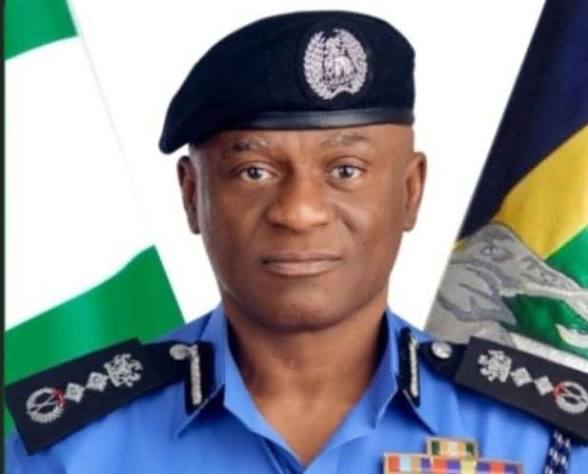
2027 Elections: IGP Tunji Disu Vows to Track and Prosecute Fake News Spreaders as Police Intensify Cybercrime Surveillance.
The Inspector General of Police, Olatunji Rilwan Disu, has declared that the Nigeria Police Force will identify, investigate and prosecute individuals deliberately spreading fake news, fabricated videos and misleading digital content capable of triggering public panic, worsening insecurity and undermining the credibility of the 2027 general elections.
Disu issued the warning on Wednesday while addressing participants at the annual conference and awards ceremony of the Crime Correspondents Association of Nigeria (CCAN) in Abuja. He stressed that the increasing spread of misinformation and digitally manipulated content posed a significant threat to national security and democratic stability as Nigeria approaches another electoral cycle.
According to the police chief, the Nigeria Police Force is strengthening its cybercrime monitoring and digital forensic capabilities to identify individuals responsible for circulating fabricated security reports, misleading announcements and manipulated videos across social media platforms.
He disclosed that the National Cybercrime Centre was monitoring online platforms for false and inciting content, while cybercrime operations had been extended to Criminal Investigation Departments across the country.
Disu explained that the police were also using digital forensic investigations to trace individuals behind fabricated notices and videos, adding that the Force would respond promptly to viral falsehoods by providing verified information to prevent rumours from escalating.
He emphasised that the strategy was intended to address deliberate fabrications and incitement rather than restrict legitimate journalism or citizens’ right to express their opinions.
The Inspector General also highlighted the dangers of misinformation during election periods, warning that false reports could create unnecessary fear, discourage voter participation, weaken public confidence in electoral institutions and fuel disputes over election outcomes.
He urged journalists, particularly crime correspondents, to exercise professionalism and diligence when reporting security related developments. He advised media practitioners to distinguish between verified information and unconfirmed claims, establish the origins of circulating videos and avoid presenting unverified incidents as established facts.
As part of efforts to improve information management, Disu disclosed that the police were proposing a verification channel in collaboration with the Crime Correspondents Association of Nigeria. The initiative is expected to provide accredited journalists with timely and reliable confirmation of security related information, particularly during the 2027 election period.
The proposal is aimed at strengthening communication between security agencies and the media while reducing the circulation of inaccurate reports.
Growing Concerns Over AI Generated Election Disinformation
The police warning comes amid increasing concerns about the potential misuse of artificial intelligence, deep fake technology and coordinated digital campaigns to manipulate public opinion ahead of the 2027 elections.
In a related development, an Assistant Commissioner of Police, Bashir Abdullahi, representing the Inspector General at a PUNCH Media Foundation webinar on artificial intelligence and election misinformation, disclosed that the police had uncovered facilities known as phone farms allegedly used to manipulate online conversations.
He also revealed that a suspect had been arrested over alleged false information concerning a political candidate from Nigeria’s South South region.
According to the police representative, the Force is strengthening its ability to identify manipulated photographs, cloned audio recordings and AI generated videos that could mislead voters or falsely attribute statements to political figures.
The police have also indicated that they are engaging technology companies and relevant stakeholders to improve the identification of suspicious online activities and preserve digital evidence for investigations.
Balancing National Security With Press Freedom
While the police have reiterated their determination to combat deliberate misinformation, the proposed enforcement measures also highlight the importance of protecting freedom of expression and independent journalism.
In a democratic society, the distinction between deliberately fabricated information and legitimate criticism, political commentary or investigative reporting remains essential.
The ability of citizens and journalists to question public officials, scrutinize government decisions and express differing political opinions must not be undermined by efforts to combat fake news.
Consequently, any investigation or prosecution arising from online publications must be supported by applicable laws and credible evidence, with appropriate safeguards against arbitrary arrests, intimidation and the suppression of legitimate dissent.
As Nigeria moves towards the 2027 general elections, the effectiveness of the police strategy will depend not only on its ability to identify digital offenders but also on its commitment to transparency, accountability, constitutional rights and impartial law enforcement.
The challenge ahead will require sustained cooperation among the police, electoral authorities, media organisations, technology companies and civil society groups to protect the integrity of public information and strengthen confidence in the democratic process.
Ultimately, safeguarding Nigeria’s electoral environment requires a collective commitment to accurate information, responsible political engagement and respect for democratic freedoms.