


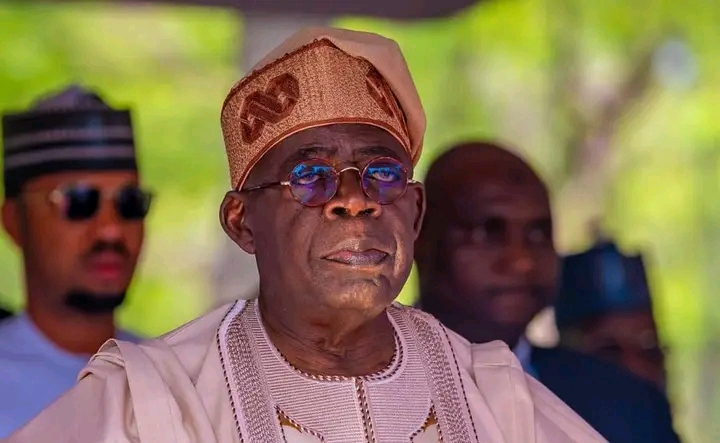
“2027 Presidency: Atiku Camp Warns Southern Zoning Could Hand Tinubu Automatic Re Election”
Fresh political tensions are emerging ahead of Nigeria’s 2027 presidential election as allies of former Vice President Atiku Abubakar have cautioned opposition parties against zoning their presidential tickets exclusively to the South, arguing that such a move could strengthen President Bola Ahmed Tinubu’s chances of securing a second term in office.
According to figures within Atiku’s political camp, the opposition must prioritize electoral strategy, national coalition building, and voter arithmetic over regional sentiment if it hopes to unseat the ruling All Progressives Congress (APC) in 2027. The camp reportedly believes that presenting another southern candidate against Tinubu who is also from Southern Nigeria could divide southern votes while weakening opposition influence across northern voting blocs.
The warning comes amid increasing conversations within opposition circles over power rotation and zoning arrangements ahead of the next general election. Since Nigeria’s return to democracy in 1999, the issue of balancing power between the North and South has remained a recurring factor in presidential politics, often shaping party primaries and coalition negotiations.
Supporters of Atiku argue that the former presidential candidate of the Peoples Democratic Party (PDP) still commands significant political structures across northern Nigeria and retains national recognition capable of mounting a serious challenge against the incumbent administration. They insist that opposition parties must avoid fragmentation if they intend to present a united front capable of competing effectively with the APC’s nationwide machinery.
However, proponents of southern zoning within several opposition groups maintain that fairness, equity, and political stability require the presidency to remain in the South beyond 2027. They argue that after eight years of northern leadership under former President Muhammadu Buhari, the South deserves extended representation in line with Nigeria’s informal power-sharing tradition.
Political analysts say the debate highlights deeper divisions within Nigeria’s opposition landscape, where multiple parties and influential blocs are already positioning themselves ahead of the next electoral cycle. Analysts also note that coalition building, economic performance, security concerns, and voter confidence will likely play major roles in determining the shape of the 2027 contest.
President Tinubu, who won the 2023 presidential election after a fiercely contested race, continues to face scrutiny over economic reforms, inflation, currency instability, and living costs. Despite criticism from opposition parties, the APC leadership has repeatedly expressed confidence in the president’s reform agenda and political strength ahead of future elections.
As early alignments for 2027 gradually take shape, the debate over zoning, regional balance, and opposition unity is expected to intensify across Nigeria’s political space in the coming months.