

Nigeria is grappling with a severe displacement crisis, with approximately 3,726,000 internally displaced persons (IDPs) scattered across 3,900 camps and settlements nationwide. The crisis is driven by insurgency in the North-East, banditry in the North-West, farmer-herder conflicts in the North-Central, and communal clashes in parts of the South.
The affected states include Borno, with 1,711,481 IDPs; Benue, with 500,182 IDPs; and Zamfara, with 276,887 IDPs. Many IDPs have experienced multiple displacements, with some living in formal camps while others reside with relatives or host communities.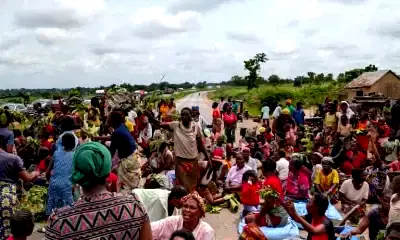

State governments are responding to the crisis through resettlement programs, provision of food and shelter, and initiatives to promote self-reliance. For instance, Borno State has shut down many camps, resettling residents in their communities, while Benue State is building permanent homes for IDPs
The International Organization for Migration (IOM) is working with the Nigerian government to address the displacement crisis, focusing on saving lives, promoting durable solutions, and facilitating safe migration. The IOM emphasizes the need for coordinated efforts among government institutions, development partners, and humanitarian organizations to address the crisis