


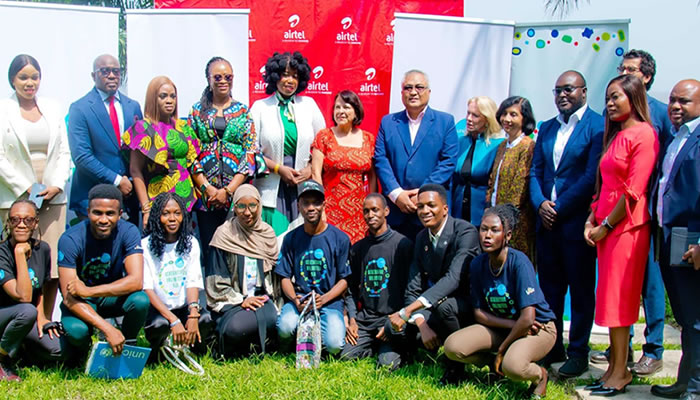
On November 15, 2024, the UNICEF Generation Unlimited Nigeria Public-Private-Youth-Partnership announced a significant achievement: it has successfully connected nine million Nigerian youth to skills development, digital access, and livelihood opportunities. This milestone was celebrated during a landmark gathering at the Airtel Headquarters in Lagos, where stakeholders reflected on three years of impactful progress that exceeded the initiative’s initial target of 7.5 million youth.
The event marked a pivotal moment for the Generation Unlimited Nigeria initiative, which aims to connect 20 million young people to opportunities by the year 2030. A statement released by UNICEF highlighted the initiative’s focus on three core pillars: Connectivity and Digital Learning, Workplace Readiness, and Youth Engagement. During the gathering, key partners took the stage to present updates on their contributions, showcasing how collaborative efforts have been instrumental in achieving these remarkable results.
Carl Cruz, the CEO of Airtel Nigeria, spoke passionately about the transformative power of digital access for young people. He emphasized the importance of initiatives like the UNICEF-Airtel Reimagine Education Program, which is part of the broader GenU 9JA initiative. Cruz stated, “Airtel is proud to play a role in ensuring no young Nigerian is left behind in this digital age. We are encouraged by the success recorded so far among the 1,260 schools connected through our partnership.” This partnership has proven critical in bridging the digital divide and providing educational resources to underserved communities.
Somachi Chris-Asoluka, CEO of the Tony Elumelu Foundation, also addressed the forum, highlighting the vital role of youth entrepreneurship in driving economic growth in Africa. She noted, “Young people are the engines of Africa’s economic transformation. Since 2015, the TEF Entrepreneurship Programme has empowered over 20,000 young entrepreneurs, creating more than 400,000 jobs.” In a notable expansion of their efforts, the foundation’s new BeGreen Africa initiative aims to support over 400 young entrepreneurs in Nigeria with green-focused training, mentorship, and seed capital, promoting sustainable business practices.
UNICEF Nigeria Representative Cristian Munduate underscored the urgency of continued investment in the youth demographic. She stated, “The future of any nation lies in the hands of its children and youth. By providing skills, opportunities, and a platform for engagement, we are not only changing individual lives but also shaping a brighter future for Nigeria.” This sentiment reflects a growing recognition of the potential that young people have to contribute meaningfully to the nation’s development.
The statement detailing the accomplishments of the GenU 9JA initiative highlighted that over 800,000 young Nigerians now have access to digital learning tools, such as the Nigeria Learning Passport, which aims to bridge educational gaps in underserved areas. Furthermore, more than one million youth have gained employability skills and livelihood opportunities through various programs. The initiative has also facilitated youth-led programs that have engaged over 500,000 young people, amplifying their voices as changemakers within their communities.
As the gathering concluded, a unified call was made for ongoing investment in Nigeria’s youth. The GenU 9JA initiative urged the government, private sector, and civil society to continue their support for young people, ensuring they are prepared to make meaningful contributions to the country’s progress and development.
Grace Edema is a seasoned journalist with over 17 years of experience in reporting on education, arts, business, and health sectors. A graduate of Sociology, her insights and coverage provide a comprehensive understanding of significant issues affecting Nigeria today.