


wave of kidnappings in Kebbi and Niger states has forced seven state governments and the Federal Government to shut down schools. The closures have sparked a broad debate among education stakeholders about the impact on students, the message it sends to criminals, and the steps needed to guarantee safety in schools.
Bandit raids on schools in Kebbi and Niger resulted in the abduction of hundreds of pupils and the killing of a vice‑principal. In response, the Federal Government ordered the shutdown of 41 Unity Colleges, while state authorities in Kwara, Plateau, Niger, Benue, Katsina, Yobe and Kebbi closed all primary and secondary schools. At least ten tertiary institutions in Kebbi and Bauchi were also ordered to cease operations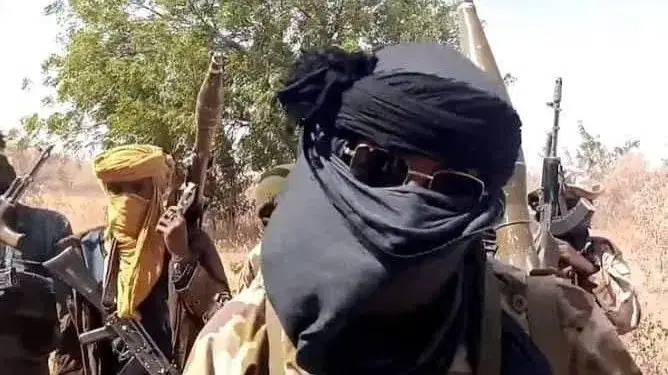 .
.
Amnesty International estimates that about 20 000 students have been affected, warning that prolonged closures could erode educational progress nationwide.
Chairman of the Board of Trustees, Chief Deolu Ogunbanjo, said the closures do not signal a victory for terrorists. He supported the temporary shutdowns as a precautionary measure, urging that the period be used to strengthen security around schools and to reopen them early in January.
National President Audu Amba expressed sorrow over the death of a teacher in Maga, Kebbi, and reiterated the union’s backing for closures in vulnerable areas. He stressed the need for counselling to help students and parents overcome trauma.
architecture between federal and state authorities and warned that without decisive action, temporary closures could become a permanent setback.
National President Dr Niyi Sunmonu emphasized that safety must precede learning. He argued that preserving life is the government’s first duty and urged a time‑bound, well‑resourced plan to eliminate bandit networks from school environs.
All the groups agreed that while the closures are painful, they are necessary to prevent further loss of life. They urged the government to:
1. Deploy robust security measures around schools.
2. Provide psychosocial support for affected students and families.
3. Conduct a comprehensive review of the Safe Schools Initiative and ensure transparent use of its funds.
4. Set a clear timeline—no longer than one year—to restore secure learning environments
In response to concerns over the effectiveness of the Safe Schools Initiative, the Senate has formed a 13‑member ad‑hoc committee to audit the programme’s funding and expenditure. The committee, chaired by Senator Orji Uzor Kalu, has four weeks to report its findings.
The closure of schools across several states highlights the severe security challenges facing Nigeria’s education system. Stakeholders stress that the temporary shutdowns should be leveraged to rebuild confidence, strengthen protection, and ultimately return students to safe classrooms. The coming weeks will be crucial in determining whether these measures translate into lasting security for schools nationwide.