

“Iran Expands Cross Border Strikes on Kurdish Groups in Iraq as Middle East Conflict Intensifies”
Iran has launched missile and drone strikes targeting Kurdish opposition groups in northern Iraq, signalling a widening phase of the ongoing regional conflict involving Iranian forces and a United States Israel military coalition, with growing implications for regional security, energy markets, and geopolitical stability.
Cross Border Strikes Raise Regional Alarm
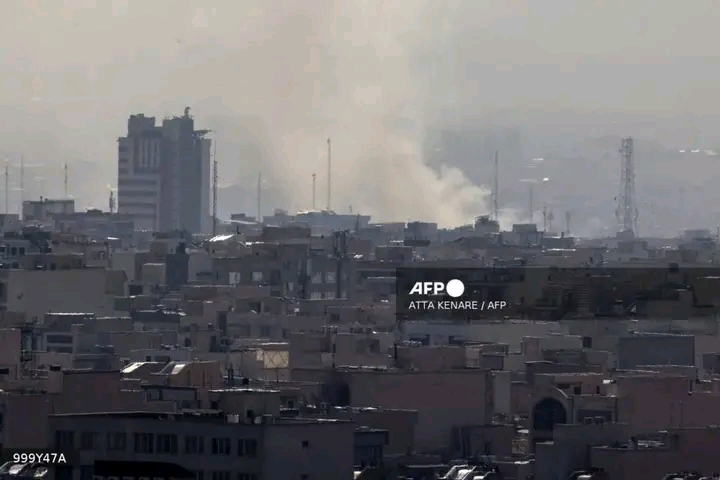
Iranian military authorities confirmed that the strikes were aimed at bases belonging to Kurdish groups Tehran accuses of supporting anti-government activities inside Iran. According to Iranian state media cited by regional outlets, missiles struck facilities linked to Kurdish opposition organisations near Erbil in Iraq’s semi autonomous Kurdistan Region.
Security sources quoted by Reuters reported that a drone attack hit the headquarters of an Iranian Kurdish opposition faction, though casualty figures were not immediately confirmed Iran International
Local officials and eyewitness accounts indicated that air defence systems were activated across Erbil following multiple explosions near strategic locations, including areas surrounding Erbil International Airport, which hosts coalition forces.
Iraqi News
Iran’s Islamic Revolutionary Guard Corps (IRGC) described the targets as “anti-Iran separatist groups,” including factions such as Komala and other Kurdish organisations operating from Iraqi territory.
Iraqi News
Conflict Spillover From Wider Iran–US–Israel Confrontation
The attacks come amid an escalating confrontation following joint US Israeli strikes on Iranian military and nuclear infrastructure, which have triggered retaliatory operations across multiple fronts in the Middle East. Regional analysts warn that Iraqi Kurdistan long a strategic buffer zone risks becoming a new theatre in the conflict.
Recent reporting indicates that Kurdish opposition forces based along the Iran-Iraq border have drawn increased attention from Washington and its allies as potential pressure points against Tehran, further complicating the security environment.
The Guardian
The expanding conflict has already affected several countries hosting US military assets, with retaliatory strikes reported across Gulf states and heightened military readiness throughout the region.
Al Jazeera
Iraq Caught Between Rival Powers
Iraq’s federal government has repeatedly warned against its territory being used as a battleground for external conflicts. However, the Kurdistan Region’s strategic position hosting foreign diplomatic missions, coalition forces, and exiled opposition groups has made it particularly vulnerable.
Kurdish leaders have called for diplomatic solutions and urged Baghdad to prevent further attacks, stressing that continued escalation threatens civilian infrastructure and economic stability.
The National
Analysts note that Iraq has historically served as a proxy arena for tensions between Tehran and Washington, raising fears that sustained strikes could destabilise fragile security gains achieved after years of conflict with extremist groups.
Economic and Energy Implications
Beyond military concerns, the escalation is generating anxiety in global energy markets. Northern Iraq plays a significant role in regional oil production and export routes, and repeated drone and missile activity near infrastructure hubs risks disrupting supply chains.
Security disruptions around Erbil a key commercial and diplomatic hub have also heightened investor uncertainty and pressured regional economic activity.
Growing International Concern
International observers warn that continued cross border attacks could trigger broader regional involvement if casualties mount or strategic installations are hit. Diplomatic efforts are ongoing, but positions among global powers remain divided over the legality and consequences of the expanding conflict.
Al Jazeera
Experts caution that without de-escalation mechanisms, the confrontation risks evolving into a prolonged multi-front conflict stretching from Iran’s western borders to Gulf states and beyond.