

“Rivers Assembly Rejects Four Fubara Commissioner Nominees, Deepening Political Tensions in Oil-Rich State”
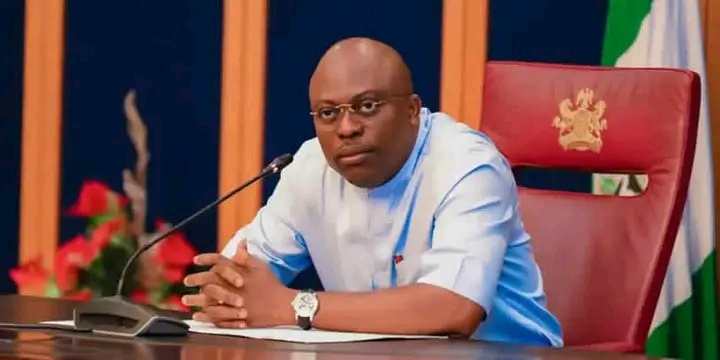
The Rivers State House of Assembly has defended its decision to reject four commissioner-nominees submitted by Siminalayi Fubara, stating that the outcome followed a thorough constitutional screening process guided by legislative independence and due diligence.
Lawmakers said the nominees failed to satisfactorily meet required standards during the confirmation exercise, emphasizing that the Assembly’s responsibility is to protect public interest rather than merely endorse executive appointments. According to the Assembly leadership, the screening involved scrutiny of professional competence, public service records, and responses to policy-related questions relevant to governance in Rivers State.
The decision comes amid ongoing political tensions within the state’s power structure, where disagreements between the executive and legislative arms have shaped recent governance debates. Observers note that the rejection underscores the growing assertion of legislative authority in Nigeria’s subnational politics, particularly in states where political alignments remain fluid following the 2023 electoral cycle.
Supporters of the Assembly argue that the move reflects democratic accountability, while allies of Governor Fubara maintain that the rejected nominees possessed the necessary qualifications to serve. Political analysts say the development could affect cabinet formation timelines and policy implementation, potentially slowing administrative coordination in one of Nigeria’s most economically strategic states.
Under Nigeria’s constitutional framework, state assemblies retain the authority to confirm or reject commissioner nominees, a mechanism designed to ensure checks and balances between branches of government. Governance experts note that such rejections, though uncommon, are legally permissible and often signal deeper political negotiations rather than purely procedural disagreements.
As political consultations continue, stakeholders are closely watching whether the governor will submit replacement nominees or seek renewed engagement with lawmakers to secure smoother executive legislative relations.