


US President Donald Trump has given Iran 48 hours to reopen the Strait of Hormuz to shipping, threatening to “hit and obliterate” Iranian power plants if the strait is not fully reopened. The ultimatum comes as Iran launched its most destructive attack yet on Israel, with two missiles striking southern Israel and injuring over 100 people.
In response to Trump’s threat, Iran’s army said it will target energy and desalination infrastructure “belonging to the US and the regime in the region”. The Israeli military has vowed to retaliate, launching strikes on Tehran and other Iranian targets.
The standoff has sent crude oil prices soaring, with North Sea Brent crude trading above $105 a barrel. The international community is concerned about the impact on global trade and the economy.
Iran has imposed restrictions on vessels from countries involved in attacks against it, but says it will assist others that stay out of the conflict. The situation remains tense, with both sides showing no signs of backing down.
The attack on Israel is seen as retaliation for Israeli strikes on Iran’s Natanz nuclear facility. The Israeli military has denied involvement in the Natanz strike, but says it targeted a facility at a Tehran university linked to Iran’s nuclear programme.
The conflict has sparked concerns about the safety of global shipping and the potential for further escalation. Several countries, including the UK, France, and Germany, have condemned Iran’s closure of the Strait of Hormuz and offered to help ensure safe passage.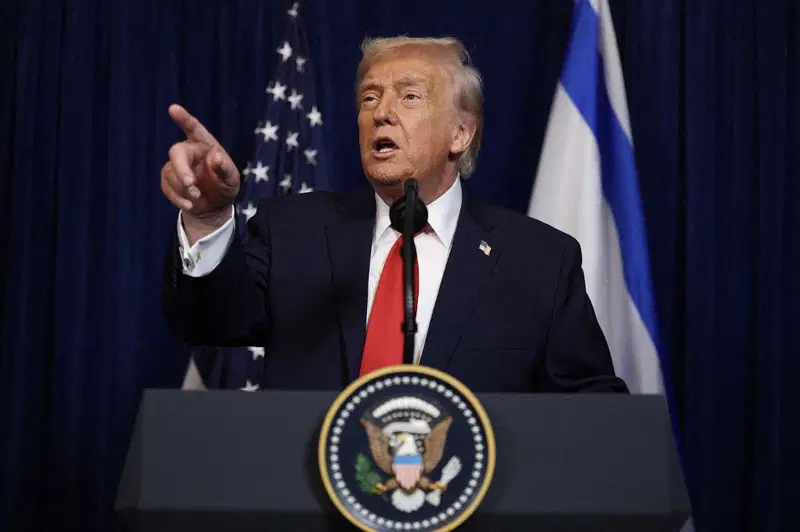
Analysts say Iran’s government has shown remarkable resilience, despite the loss of its top leaders. The situation remains volatile, with both sides trading threats and counter-threats.