



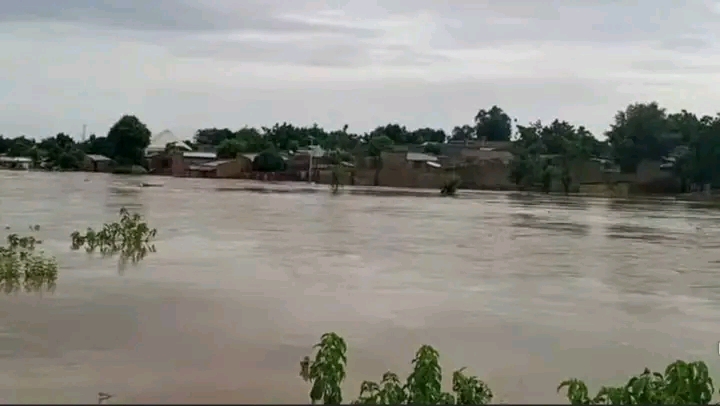
“Nigeria Issues Fresh Flood Alert: FG Warns 10 States as Heavy Rainfall Threatens Communities”
The Federal Government of Nigeria has issued a fresh flood warning affecting at least 10 states across the country, raising concerns over potential environmental and humanitarian risks as heavy rainfall is forecast in the coming days.
The alert, released through federal environmental and hydrological authorities, follows updated meteorological projections indicating increased rainfall intensity capable of triggering flooding in vulnerable communities, particularly those located along riverbanks, floodplains, and low lying urban areas.
Rising Rainfall Raises Nationwide Concern
According to government officials, the warning is part of Nigeria’s early disaster prevention framework aimed at reducing loss of life and property during the peak rainy season. Authorities urged residents in high risk areas to remain vigilant, monitor official weather updates, and comply with evacuation advisories where necessary.
Reports indicate that the anticipated rainfall could overwhelm drainage systems, cause river overflows, and disrupt transportation, agriculture, and local economies if precautionary measures are not taken promptly.
The flood advisory aligns with seasonal climate forecasts showing above average rainfall patterns across parts of Nigeria a trend experts say has intensified in recent years due to climate variability and rapid urban expansion.
States Identified as High Risk Zones
Government monitoring agencies identified 10 states as facing elevated flood risk due to predicted heavy downpours and rising water levels. Communities located near major waterways, including sections along the River Niger and River Benue basins, are considered particularly vulnerable.
Residents were advised to:
Clear drainage channels and waterways
Relocate from flood prone areas where necessary
Avoid driving or walking through fast moving floodwaters
Follow emergency guidance issued by state authorities
Emergency response agencies have also been placed on standby to coordinate preparedness efforts and provide rapid assistance if flooding occurs.
Flooding: A Recurring National Challenge
Flood disasters have become an increasingly frequent environmental challenge in Nigeria. Recent flood events have caused widespread displacement, infrastructure damage, and fatalities across several regions.
Data from previous national assessments show millions of Nigerians remain exposed to annual flood risks, with heavy rainfall, poor drainage infrastructure, and river overflow identified as key contributing factors. Experts warn that without sustained investment in climate resilience and urban planning, seasonal flooding could continue to intensify.
Environmental analysts emphasize that early warnings such as the current advisory are critical to mitigating disaster impacts, especially in rural and densely populated urban settlements.
Government Calls for Preparedness and Public Cooperation
The Federal Government stressed that the warning is preventive rather than alarmist, urging citizens to prioritize safety and heed official information channels.
Authorities also encouraged state governments and local councils to activate emergency preparedness plans, strengthen community awareness campaigns, and ensure drainage maintenance ahead of peak rainfall periods.
Disaster management experts note that proactive community response remains one of the most effective tools for reducing flood-related casualties.
Broader Climate Context
Nigeria’s flood risks are increasingly linked to changing climate patterns across West Africa, where heavier rainfall episodes and unpredictable weather cycles are becoming more common. Environmental agencies continue to advocate improved flood forecasting systems, sustainable land use, and stronger infrastructure planning to address long-term vulnerabilities.
The latest advisory underscores growing efforts by federal authorities to shift from disaster response toward early warning and prevention strategies.