



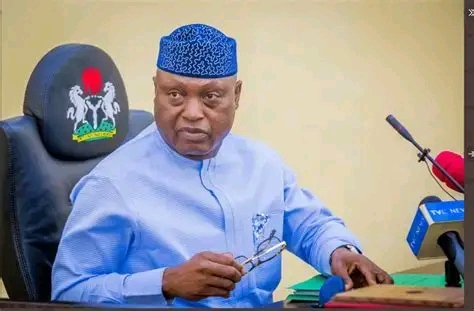
“Ekiti 2026: Oyebanji Makes Democratic History as First Governor Re Elected Consecutively Since 1999, Says Bamidele”
ADO-EKITI, Nigeria Governor Biodun Oyebanji of Ekiti State has etched his name into the state’s political history books after becoming the first democratically elected governor since Nigeria’s return to civilian rule in 1999 to secure re election for a consecutive second term.
The milestone was highlighted by Senate Leader, Opeyemi Bamidele, who described Oyebanji’s electoral success as a reflection of his inclusive governance style, commitment to development, and ability to build political consensus across party lines and diverse stakeholder groups in Ekiti State.
According to Bamidele, Oyebanji’s administration has distinguished itself through policies aimed at improving infrastructure, enhancing public service delivery, strengthening social welfare programmes, and fostering collaboration among political actors. He noted that the governor’s leadership approach has helped reduce political tensions while promoting stability and continuity in governance.
Governor Biodun Oyebanji was returned for another term following a broad wave of support from residents, political leaders, civil society groups, and community stakeholders who cited ongoing development projects and governance reforms as key factors behind his popularity. Political observers have also pointed to his ability to maintain strong relationships with both state and federal institutions as a significant advantage.
The achievement is particularly notable in Ekiti State, where political transitions have historically been characterized by intense electoral competition and changing leadership patterns. Since the advent of the Fourth Republic in 1999, no governor had previously secured consecutive re election in the manner achieved by Oyebanji, making the development a significant moment in the state’s democratic evolution.
Analysts say the outcome could influence future political dynamics in Ekiti and potentially reshape discussions around governance continuity, policy implementation, and political stability in the state. Supporters argue that a second consecutive mandate provides an opportunity to consolidate ongoing projects and deepen reforms, while critics emphasize the importance of maintaining accountability and delivering measurable outcomes during the next phase of the administration.
As Ekiti enters a new political chapter, attention is expected to focus on how the governor leverages his renewed mandate to accelerate economic growth, improve infrastructure, create employment opportunities, and strengthen public confidence in democratic institutions.