

Kano Government Empowers 1,900 Butchers, Unveils Plans for Modern Meat and Livestock Hubs.
The Kano State Government has empowered 1,900 butchers with essential tools as part of efforts to strengthen livelihoods, improve meat processing standards and expand economic opportunities within the state’s livestock value chain.
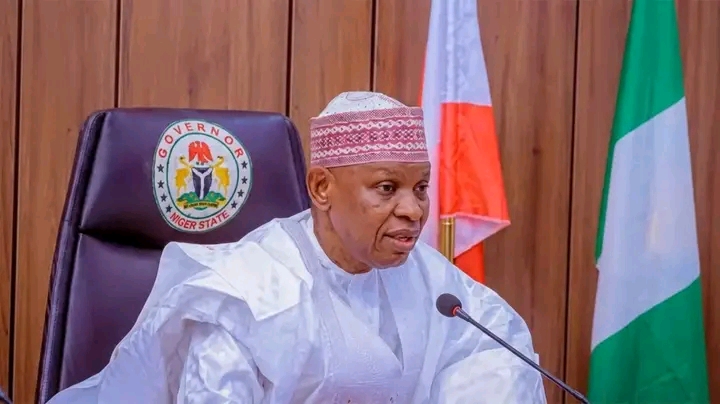
The empowerment initiative, implemented through the Cottage Trade and Street Hawking Agency, was announced by Governor Abba Kabir Yusuf during the distribution ceremony on Thursday.
The governor also disclosed that the state government is preparing to establish cottage industry and enterprise hubs for butchers in strategic locations across Kano. According to him, the initiative has been captured in the state’s 2026 budget, with groundwork already completed ahead of implementation.
The proposed hubs are expected to provide dedicated spaces for butchering, meat processing, leather processing and tannery operations. The broader objective is to promote value addition and ensure that livestock products generate greater economic benefits for workers, entrepreneurs and the state’s economy.
The initiative comes as Kano continues to position the livestock sector as a major pillar of economic development, food security and job creation. Recent collaborations between the state and the Federal Ministry of Livestock Development have also focused on livestock transformation, veterinary services, disease surveillance, modern infrastructure and investment in the sector.
For the beneficiaries, the provision of tools is expected to support their daily operations and strengthen their capacity to participate more effectively in the meat and livestock economy. However, the long term impact of the intervention will depend on sustained access to training, proper regulation, hygienic facilities and effective monitoring.
The planned cottage industry hubs could also provide an opportunity to formalize parts of the meat processing value chain, improve hygiene practices and create additional employment through related activities such as leather production and tannery operations.
The development is part of the Kano State Government’s wider efforts to link empowerment programmes with economic productivity and value addition, particularly in sectors with strong potential to create jobs and support local enterprise.