


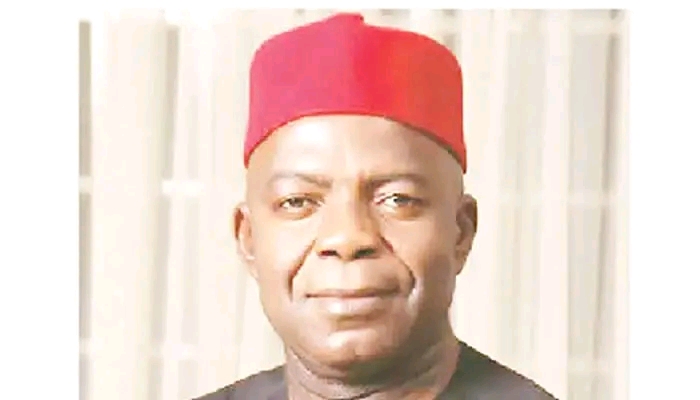
“Abia 2031: PFN Clerics Rally Behind Alex Otti, Urge Governor to Keep Political Future Open.”
Abia State Clerics under the Abia chapter of the Pentecostal Fellowship of Nigeria (PFN) have urged Governor Alex Otti not to rule out continued participation in public service after the completion of his constitutionally permitted second term in 2031.
The appeal, made during a recent engagement with the governor, reflects growing conversations around leadership continuity and governance outcomes in Abia State. The clerics encouraged Otti to allow the people to determine his political trajectory beyond 2031, rather than pre-emptive announcing a withdrawal from politics at the end of his tenure.
Faith Leaders Emphasize Democratic Choice
PFN representatives noted that while Nigeria’s constitutional framework restricts governors to two four-year terms, it does not bar former governors from seeking other elective offices. They stressed that decisions about future political roles should be shaped by democratic will and constitutional provisions.
According to the clerics, leadership anchored on fiscal prudence, institutional reform, and accountability should not be prematurely discontinued if citizens deem it beneficial. They framed their position as advisory rather than prescriptive, emphasizing that ultimate authority rests with the electorate.
Governance Record Under Review
Governor Otti, elected on the platform of the Labour Party, has positioned his administration around economic restructuring, infrastructure rehabilitation, and public sector reforms since assuming office in 2023. His government has highlighted road reconstruction initiatives, civil service reforms, and revenue transparency measures as key milestones.
Political observers note that endorsements or appeals from religious bodies often signal broader civic engagement in governance discussions. However, analysts caution that such interventions remain part of Nigeria’s democratic discourse and do not substitute electoral processes or party mechanisms.
Constitutional and Political Context
Under Nigeria’s 1999 Constitution (as amended), governors may serve a maximum of two terms. Any continued political involvement by Otti after 2031 would therefore require pursuit of a different constitutional office, subject to electoral processes.
The PFN’s intervention underscores the influential role of faith-based institutions in Nigeria’s political environment, particularly in shaping public opinion and mobilizing civic engagement. As Abia State advances toward the latter half of the current administration, debates around succession planning, governance performance, and political alignment are expected to gain momentum.