


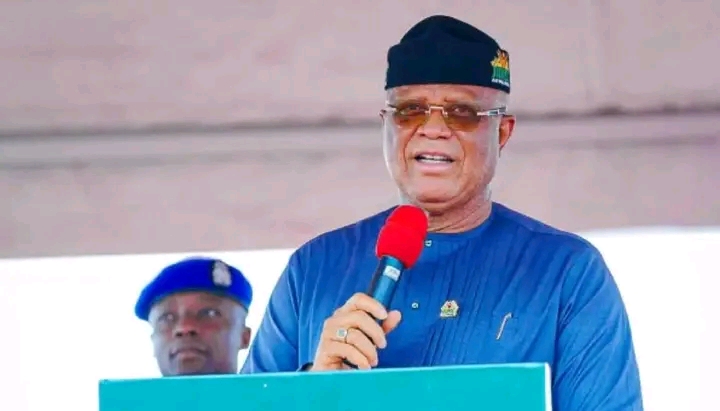
“Akwa Ibom Government Debunks Ibom Power Sale Rumours, Unveils Reform and Debt Repayment Strategy”
The Akwa Ibom State Government has firmly denied reports suggesting plans to sell the state owned Ibom Power Company, describing the claims as inaccurate and misleading while reaffirming its commitment to restructuring the electricity firm for improved performance and financial stability.
In an official clarification issued by state authorities, the government stated that no decision has been taken to privatize or dispose of Ibom Power Company, a key public utility established to strengthen electricity generation and support industrial growth within the state and Nigeria’s broader power sector. Officials emphasized that ongoing engagements surrounding the company are focused on operational reforms and loan repayment arrangements rather than ownership transfer.
According to the government, discussions currently underway involve financial restructuring aimed at settling existing obligations tied to the power project while enhancing efficiency and sustainability. Authorities noted that reform measures are designed to ensure the long-term viability of the plant, improve power generation capacity, and protect public investment made in the facility over the years.
Ibom Power Company, one of Nigeria’s notable state-owned independent power plants, has played a strategic role in supporting electricity supply to parts of the national grid. However, like many energy projects across the country, it has faced financial and operational pressures linked to sector wide liquidity challenges, infrastructure constraints, and evolving market dynamics within Nigeria’s power industry.
The state government urged the public and stakeholders to disregard unverified reports circulating on social media and some online platforms, stressing that transparency and accountability remain central to its management of public assets. Officials added that reforms would prioritize efficiency, debt sustainability, and enhanced service delivery rather than asset disposal.
Energy analysts note that subnational governments across Africa are increasingly exploring restructuring models to sustain infrastructure investments without relinquishing strategic ownership. Akwa Ibom’s position reflects a broader trend among African governments seeking to balance fiscal responsibility with long term energy security.
The clarification comes amid heightened public interest in Nigeria’s electricity sector reforms, where debates over privatization, public private partnerships, and financial restructuring continue to shape policy discussions at both federal and state levels.