


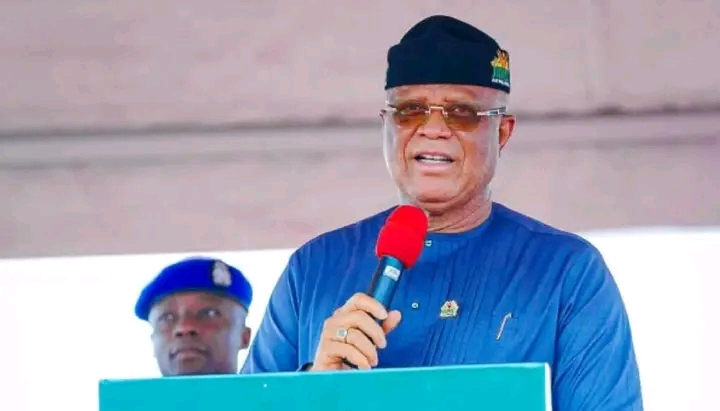
“Akwa Ibom’s IGR Surges to ₦7 Billion Monthly After Treasury Single Account Reform Governor Eno Highlights Fiscal Turnaround”
Akwa Ibom State has recorded a significant increase in internally generated revenue (IGR), rising from approximately ₦2 billion to ₦7 billion monthly within three months following the implementation of the Treasury Single Account (TSA), Governor Umo Eno has disclosed.
The governor attributed the sharp revenue growth to improved financial transparency, centralized revenue collection, and stronger accountability mechanisms introduced through the TSA framework a public financial management system designed to consolidate government revenues into a single unified account.
Speaking during an official briefing on the state’s fiscal reforms, Eno explained that prior to the TSA rollout, fragmented revenue channels and weak monitoring systems limited the state’s capacity to accurately track earnings. The adoption of the reform, he said, has enabled the government to block leakages, streamline remittances from ministries, departments, and agencies (MDAs), and enhance overall revenue efficiency.
Strengthening Fiscal Discipline Through Reform
The Treasury Single Account policy, widely implemented across Nigeria’s federal and subnational governments, is intended to improve public sector financial governance by ensuring that all government receipts are paid into a consolidated account. Analysts note that states adopting the system often experience short-term administrative adjustments but long-term gains in revenue visibility and fiscal discipline.
Governor Eno emphasized that the improved IGR performance reflects institutional reforms rather than increased taxation. According to him, the government’s focus remains on expanding the tax net responsibly, digitizing payment systems, and encouraging voluntary compliance among businesses and residents.
Economic observers say the development aligns with broader national efforts to reduce dependence on federal allocations by strengthening internally generated revenues a priority for many Nigerian states amid fluctuating oil revenues and economic restructuring.
Implications for Development Financing
Higher IGR levels are expected to enhance Akwa Ibom’s fiscal sustainability, enabling greater investment in infrastructure, social services, and economic diversification projects without excessive borrowing. Public finance experts argue that consistent revenue growth could improve investor confidence and creditworthiness for subnational governments pursuing long-term development plans.
While welcoming the reported gains, policy analysts stress that sustained transparency, independent auditing, and public reporting will be critical to maintaining credibility and ensuring that increased revenues translate into measurable development outcomes for citizens.
The Akwa Ibom government has indicated plans to further strengthen digital revenue monitoring systems and expand reforms aimed at modernizing tax administration across sectors.
Broader Context
Nigeria introduced the TSA system at the federal level to curb revenue leakages and improve cash management, a reform later adopted by several states seeking stronger fiscal controls. Governance experts say Akwa Ibom’s experience may serve as a case study for other subnational governments pursuing revenue optimization through institutional reforms rather than new tax burdens.