


“Deadly Strikes Near Tehran Kill 18 Including Children, Escalating Regional Tensions Iranian State Media”
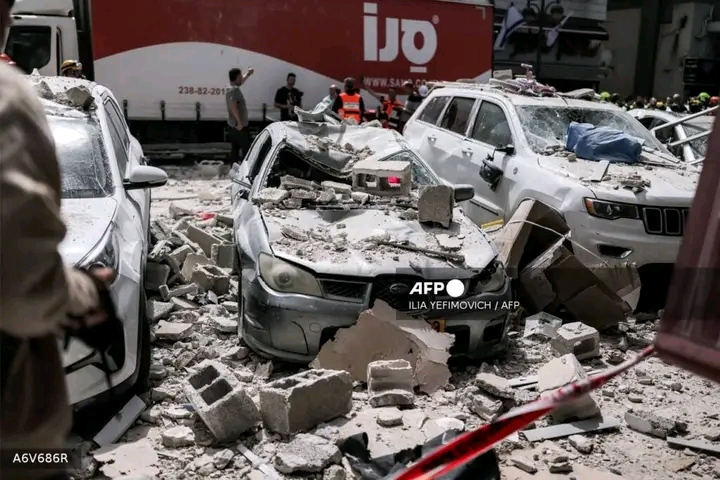
At least 18 people, including two children, have been killed following strikes in Iran’s Alborz province near the capital, Tehran, according to Iranian state media reports, marking a significant escalation in security tensions around one of the Middle East’s most sensitive geopolitical zones.
Iranian authorities confirmed that the attacks struck areas west of Tehran, with emergency responders deployed to affected communities as rescue operations and damage assessments continued. State broadcasters reported civilian casualties among the dead, while several others sustained injuries, though the exact number of wounded has not been independently verified.
Civilian Casualties Reported in Strategic Province
Alborz province, located adjacent to Tehran, holds strategic importance due to its proximity to government institutions, industrial facilities, and major transportation corridors linking the Iranian capital to western regions of the country. Local officials cited by state media described scenes of destruction in residential areas, raising concerns over civilian safety amid rising regional hostilities.
Authorities have not immediately released detailed information about the precise targets or the full scale of infrastructural damage. Emergency services reportedly worked through the night to evacuate residents and secure impacted zones.
Regional Security Concerns Intensify
The reported strikes come amid heightened tensions across the Middle East, where military confrontations and proxy conflicts have increasingly drawn international scrutiny. Analysts warn that attacks occurring near Tehran represent a sensitive development, potentially reshaping diplomatic calculations among regional and global powers.
While Iranian state media attributed the casualties to external strikes, independent confirmation from international observers remains limited due to restricted access to affected locations. Foreign governments have yet to issue comprehensive statements detailing responsibility or broader operational context.
Security experts note that incidents involving civilian casualties near national capitals often trigger rapid political responses, increasing the risk of retaliatory actions and wider instability.
Calls for Verification and De-Escalation
International observers and humanitarian organizations have renewed calls for restraint and verification of facts through independent monitoring mechanisms. Diplomatic channels are expected to intensify engagement aimed at preventing further escalation, particularly given the potential implications for regional energy markets and global security dynamics.
As investigations continue, attention remains focused on whether the incident signals an isolated military action or part of a broader strategic confrontation unfolding across the region.