

The Federal Ministry of Education has firmly denied recent allegations that Nigerian students studying in Morocco under the Bilateral Education Scholarship (BES) programme have been abandoned or left without financial support. In a statement released on Wednesday, January 7, 2026, the ministry described the claims as “false, unfounded, and deliberately crafted to misinform the public.”
The controversy erupted after social‑media activist Martins Otse — better known as VeryDarkMan — posted a video on X (formerly Twitter) showing several Nigerian students in Morocco alleging years of unpaid stipends, homelessness and lack of medical care. One student, a final‑year medical trainee, claimed he had been forced to work illegally after his scholarship funds dried up, and even suffered a broken leg after an accident while trying to earn a living — unable to pay hospital bills.
In response, Dr. Maruf Tunji Alausa, the Minister of Education, reiterated that no Nigerian student on a valid Federal Government scholarship has been abandoned He confirmed that all beneficiaries enrolled under the BES programme before 2026 received their entitlements up to the 2026 budget year, in line with government obligations. Any delays in outstanding payments, he said, are due to “fiscal constraints” and are being resolved through ongoing dialogue with the Ministry of Finance.
Alausa also dismissed rumors that new bilateral scholarship awards were issued labeling circulating documents as “fake, unauthenticated, and a calculated attempt to discredit government policy.” He explained that the BES programme has been discontinued following a policy review concluding that Nigeria now possesses sufficient domestic capacity to deliver the same courses locally. From now on, only scholarships fully funded by foreign governments — with all costs borne by the host country — will be supported.
Despite the programme’s termination, the government has pledged to honor its commitments to current BES scholars, ensuring they can complete their studies. Students wishing to return home may write to the Director of Scholarship Awards to arrange re‑integration into Nigerian universities, with the Federal Government covering return airfare.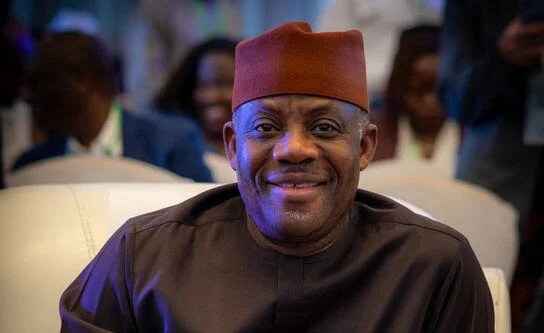
Alausa defended the reform as a necessary step to curb wasteful spending. “Past practices that sent students abroad for courses already well‑established in Nigeria placed an avoidable financial burden on the nation,” he said. The ministry stressed that the reforms aim to promote transparency, accountability and prudent use of public funds, while rejecting “misinformation, blackmail, or any attempt to undermine policies designed to strengthen national capacity and safeguard the integrity of the education sector.