


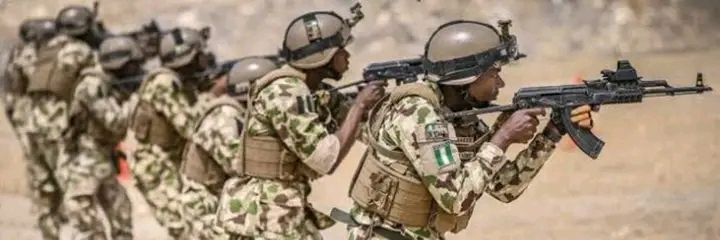
FG Dismisses Compulsory Military Training Rumours, Reaffirms Voluntary Armed Forces Policy for Nigerian Youths.”
ABUJA, Nigeria The Federal Government has categorically dismissed reports suggesting it plans to introduce compulsory military training for Nigerian youths, reaffirming that the country’s defence structure remains rooted in voluntary service and professional military standards.
In an official clarification issued in the Federal Capital Territory, authorities stated that no proposal, executive directive, or legislative bill is under consideration to mandate compulsory military service for young Nigerians. The government described the circulating claims as unfounded and urged citizens to rely on verified information from credible sources.
Officials emphasized that Nigeria’s security framework is anchored on a professional armed forces model, built on voluntary enlistment, structured recruitment processes, and constitutionally guided operational mandates. The country’s military institutions operate under the umbrella of the Nigerian Armed Forces, which comprises the Nigerian Army, Nigerian Navy, and Nigerian Air Force.
Recruitment into these services is conducted periodically and remains voluntary, subject to statutory requirements and rigorous professional standards.
The clarification follows heightened public debate and social media speculation over possible reforms aimed at strengthening national security and civic responsibility. However, government representatives stressed that existing youth focused programmes are centered on civic engagement, vocational development, entrepreneurship, and nation-building not militarization.
Security analysts note that compulsory military service models are typically adopted in countries operating under specific defence doctrines or facing extraordinary national threats. Historically, Nigeria has relied on professional armed institutions, regional security partnerships, and multilateral cooperation to address security challenges rather than mandatory conscription.
Policy observers further highlight that the government’s current youth development priorities emphasize education reform, digital innovation, employment generation, and skills acquisition.key pillars viewed as essential to tackling the socioeconomic drivers of insecurity.
Reputable media organizations, including Channels Television, Punch Newspapers, and Premium Times, have also reported the government’s position, reinforcing that no official move toward compulsory military training has been announced.
As discussions around national security and youth engagement continue, federal authorities have encouraged citizens to verify information through official channels and established media platforms to prevent misinformation and public anxiety.