


Report by Musa Antiketu, | Journalist for Obaland magazine.
Federal Government don launch $1 billion social protection programme wey dey aimed to carry poor Nigerians go far for life and make dem fit stand on dem own.
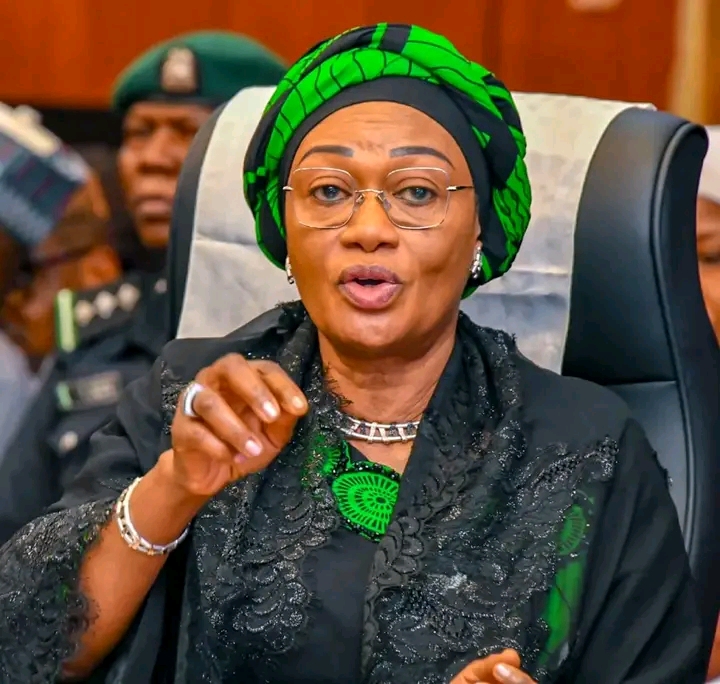
Dis initiative, wey dem dey call Household Prosperity and Empowerment Social Protection Project (HOPE-SP), dem unveil am for Wednesday, August 26, 2026, for State House Banquet Hall for Abuja by First Lady Senator Oluremi Tinubu.
Di launch, wey dem hold under di theme “From Palliatives to Pathways,” na part of di bigger effort by di Federal Government to make Nigeria’s social protection and poverty-reduction system strong.
As Mrs Tinubu dey talk for di event, she say di programme dey meant to give immediate support to vulnerable households while dem dey connect dem with interventions wey fit improve dem livelihoods and help dem achieve economic independence.
According to reports from Vanguard, Channels Television, The Sun, Leadership and Tribune, di initiative dey expected to put vulnerable households for di center of government interventions instead of just relying on short-term relief measures.
Government dey target more coordinated social protection
Di HOPE-SP dey implemented through di Federal Ministry of Humanitarian Affairs and Poverty Reduction under Minister Bernard Doro. Di programme na part of wider social protection framework wey dey aimed to improve di identification, assessment and tracking of vulnerable Nigerians.
Doro talk say di government wan move from fragmented system of interventions to coordinated model wey go fit identify households, assess dem according to wetin dem need, support dem with di right interventions and monitor dem as dem dey progress towards economic inclusion.
Channels Television report say di minister talk say more than ₦600 billion in cash transfers don reach vulnerable Nigerians for di past three years, wey don touch slightly more than 10 million households. Him talk say di new approach go focus more on tracking households and measuring progress out of poverty.
Di government don also talk say di HOPE-SP framework go target about 7.6 million vulnerable households for di whole country, according to Channels Television.
Five initiatives don show
Di Federal Government latest social protection system no stop for HOPE-SP.
Other initiatives wey dem unveil alongside di project include di One-Humanitarian-One Poverty Response System (OHOPRS), di Emergency Cash Transfer Programme, di Federal Ministry of Humanitarian Affairs and Poverty Reduction Ministerial Blueprint, and Humanity First Magazine.
Di OHOPRS dey expected to provide coordinated national mechanism for humanitarian response, poverty reduction and social protection. Government officials dey talk say e go help reduce duplication among interventions and strengthen di use of unified national registries to identify and support vulnerable households.
Di Emergency Cash Transfer Programme, meanwhile, dey designed to provide quick financial assistance to households wey dey face economic shocks.
From relief to economic independence
Mrs Tinubu talk say di new framework dey show di need to make sure say social protection interventions do more than just provide temporary assistance.
She argue say Nigerias economic reforms suppose dey follow with mechanisms wey fit protect vulnerable families while dem dey help dem build resilience and sustainable livelihoods.
Di initiative therefore dey represent policy shift from just providing relief to establishing wetin di government dey call “pathway” to recovery, empowerment and self-reliance.
Di emphasis on household-level tracking dey particularly significant because Nigeria don face long-standing challenges wey involve fragmented social intervention programmes, overlapping beneficiaries and difficulties to identify citizens wey still dey outside existing support systems.
Di government dey talk say di new framework dey meant to address some of dose weaknesses by putting households, instead of individual programmes, for di center of intervention and by measuring outcomes instead of just counting beneficiaries.
Implementation go determine impact
While di $1 billion commitment and di proposed integrated approach dey represent significant expansion of Nigerias social protection ambitions, di effectiveness of di programme go ultimately depend on implementation.
Transparent beneficiary selection, accurate databases, timely disbursement, effective monitoring and accountability go dey critical if HOPE-SP wan achieve im stated objective of reducing dependence on emergency assistance.
For millions of Nigerians wey dey face economic hardship, di central question go be how much funding dem go allocate, but whether di programme go turn into sustainable jobs, businesses, skills, income opportunities and improved household resilience.
Di launch dey mark another major step for di Tinubu administrations poverty-reduction agenda. Im long-term significance go depend on whether di new architecture fit deliver measurable improvements for di lives of vulnerable Nigerians and establish credible pathway from short-term assistance to lasting economic inclusion.