


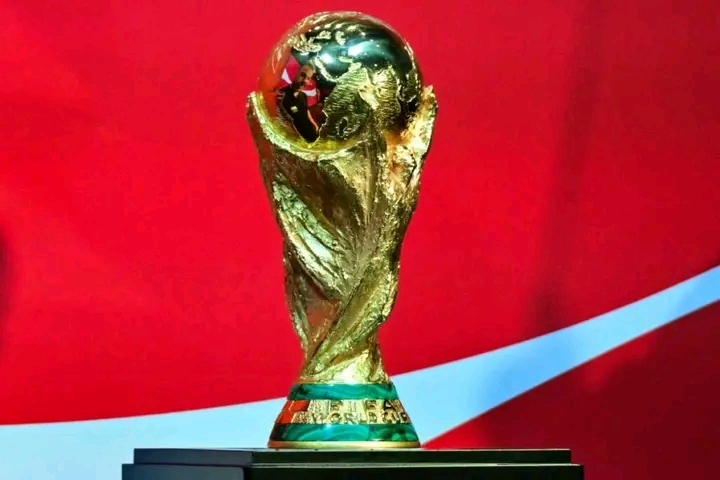
FIFA Moves to End ‘Tactical Timeouts’ at 2026 World Cup with New Goalkeeper Injury Rule
FIFA has announced a significant rule change ahead of the 2026 FIFA World Cup, banning players from leaving the field to receive tactical instructions from coaches during stoppages caused by goalkeeper injuries.
The decision is part of a broader effort by football’s governing bodies to improve the flow of matches, reduce time wasting tactics, and preserve the integrity of competition during the expanded 48 team tournament scheduled to be hosted by the United States, Canada, and Mexico.
Under the new directive, when a goalkeeper receives treatment on the pitch, players from both teams will be required to remain on the field rather than gathering near their technical areas for discussions with coaching staff. FIFA Referees Committee Chairman Pierluigi Collina said officials have already informed all qualified teams that referees will actively enforce the measure during the tournament.
The move targets a growing trend in modern football commonly referred to as the “goalkeeper tactical timeout,” where goalkeepers go down injured sometimes for minor complaints allowing teammates to regroup and receive strategic instructions from the bench while play is temporarily halted. Critics argue that the practice disrupts the rhythm of matches and can be used to break an opponent’s momentum.
According to guidance approved by the International Football Association Board (IFAB), the new approach aims to ensure that injury stoppages remain strictly medical in nature rather than serving as unofficial coaching breaks. While goalkeepers will continue to receive treatment when necessary, outfield players will no longer be permitted to use such pauses for tactical consultations.
The rule forms part of a wider package of football law updates set to take effect during the 2026 World Cup and the 2026 27 football season. Other changes include expanded Video Assistant Referee (VAR) intervention powers, stricter substitution procedures, and mandatory hydration breaks in every match to support player welfare amid anticipated high temperatures at several tournament venues.
Football analysts believe the measure could help maintain competitive balance and improve the viewing experience by limiting deliberate interruptions and encouraging continuous play. FIFA officials have emphasized that the objective is not to penalize genuinely injured goalkeepers but to prevent the misuse of injury stoppages for strategic advantage.
As preparations continue for the biggest World Cup in history, the latest rule adjustment underscores FIFA’s broader commitment to modernizing the game, improving officiating standards, and enhancing fairness on football’s grandest stage.