

Rising fuel prices are taking a toll on Lagos traders and consumers, with food costs surging due to increased transportation expenses. Alhaji Abiodun Kosoko, Baba Loja General of Agbado Oke-Odo LCDA, attributes the trend to soaring fuel costs, warning that it threatens the sustainability of small-scale traders.
According to Kosoko, many traders source food items from northern and neighboring states, where production is higher, but transportation to Lagos is increasingly expensive. This has led to a sharp disconnect between foot traffic and actual sales, with markets attracting crowds but purchasing power weakened significantly.
A bag of rice, previously sold for ₦50,000, now costs between ₦56,000 and ₦58,000, depending on brand and supply conditions. Meat seller Hammed Adekunle notes that customers frequently express shock at prices, often accusing traders of profiteering without understanding supply chain realities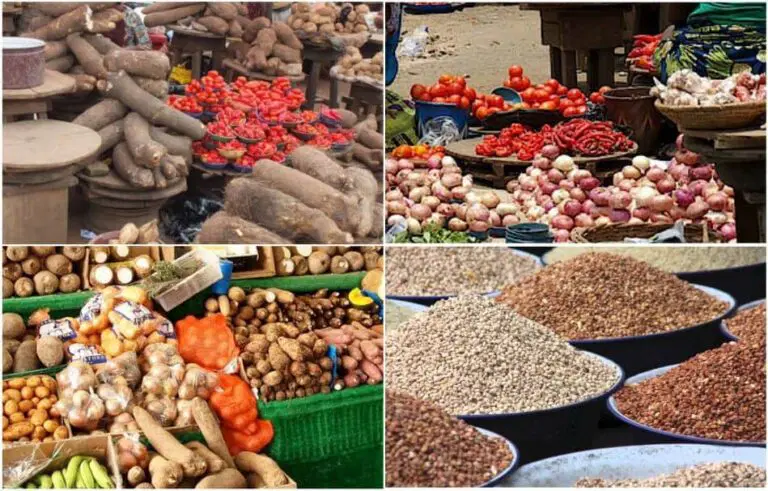

Consumers are feeling the pinch, with many forced to prioritize essential items and drop others from their shopping list. Mrs Sola Ogunbade, a teacher, says foodstuffs are expensive, and she’s had to adjust her budget.
The situation has reduced family meals to basic survival, with little room for nutritional balance or dietary variety. Mrs Mary Chukwu, a mother of three, appeals to government authorities to consider subsidies on fuel and key food items to ease pressure on struggling families