


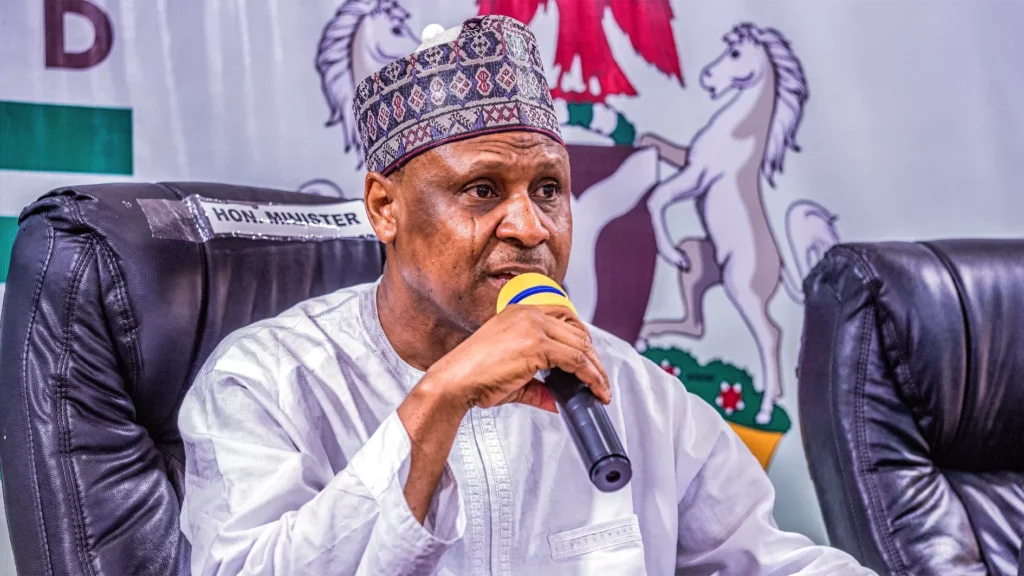
Idris has said the economic risks of retaining Nigeria’s fuel subsidy outweighed the potential political consequences of removing it, highlighting the difficult policy considerations surrounding the government’s decision to end the long-standing subsidy regime.
According to Idris, maintaining the subsidy would have continued to place significant pressure on public finances, making it increasingly difficult for the government to meet other economic and developmental obligations.
The position reflects the financial challenges associated with sustaining fuel subsidies, particularly the growing demands on government revenue and the need to redirect public resources towards critical sectors of the economy.
Nigeria officially removed its petrol subsidy in May 2023, following President Bola Tinubu’s announcement during his inauguration. The decision triggered an immediate increase in petrol prices and intensified concerns over the rising cost of living, transportation and essential commodities.
Although the government has defended the policy as necessary to reduce fiscal pressure and improve public spending, the removal has remained a subject of debate among Nigerians, economists and labour organisations.
Idris’s remarks underscore the argument that the long-term financial implications of retaining the subsidy presented a greater challenge than the political difficulties associated with its removal.
Idris says the economic risks of retaining Nigeria’s fuel subsidy outweighed the political consequences of removing it, amid debate over the policy’s impact.