


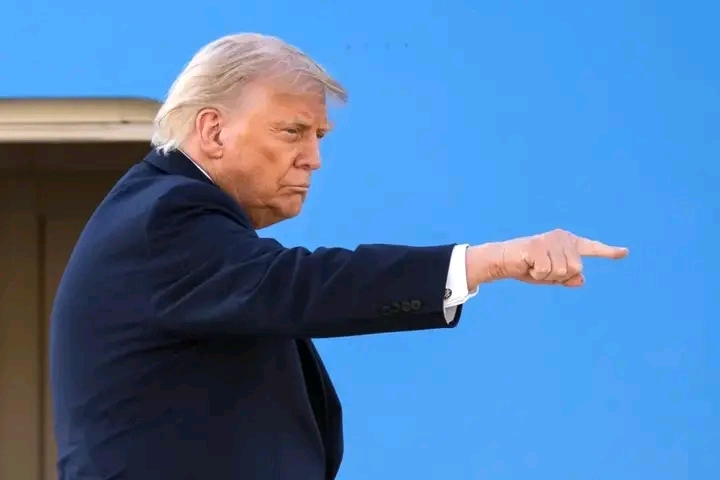
Global Oil Prices Fall as Trump Iran Agreement Reopens Strait of Hormuz, Easing Supply Concerns.
Global oil prices declined further on international markets after U.S. President Donald Trump and Iranian officials reportedly reached an agreement aimed at reopening the strategically vital Strait of Hormuz, a key maritime corridor responsible for transporting a significant share of the world’s crude oil exports.
The development has eased fears of potential disruptions to global energy supplies, prompting traders and investors to reassess risk premiums that had previously pushed oil prices higher amid tensions in the Gulf region. Market analysts say the reopening of the Strait of Hormuz could help stabilize crude shipments and improve confidence across global energy markets.
The Strait of Hormuz remains one of the world’s most important energy choke points, linking the Persian Gulf to international markets. Any threat to navigation through the waterway has historically triggered volatility in oil prices, given that millions of barrels of crude oil pass through the passage daily. The latest agreement is therefore being viewed by markets as a positive step toward reducing geopolitical uncertainty and safeguarding global supply chains.
Despite the decline in oil prices, analysts caution that broader economic factors continue to influence market sentiment. Expectations that the U.S. Federal Reserve may maintain a tighter monetary policy stance, including the possibility of additional interest rate increases, have tempered optimism among investors. Higher interest rates can slow economic growth and reduce energy demand, placing additional downward pressure on crude prices.
Energy experts note that while the agreement has provided short term relief to markets, long term price movements will continue to depend on geopolitical developments, global demand trends, and decisions by major oil-producing nations. Investors are also closely monitoring economic indicators from major economies, including the United States, China, and members of the European Union, for signals about future energy consumption.
For African economies, particularly oil-exporting nations such as Nigeria, Angola, and Libya, fluctuations in global crude prices remain a critical factor affecting government revenues, foreign exchange earnings, and broader economic stability. As a result, developments surrounding the Strait of Hormuz continue to carry significant implications far beyond the Middle East.