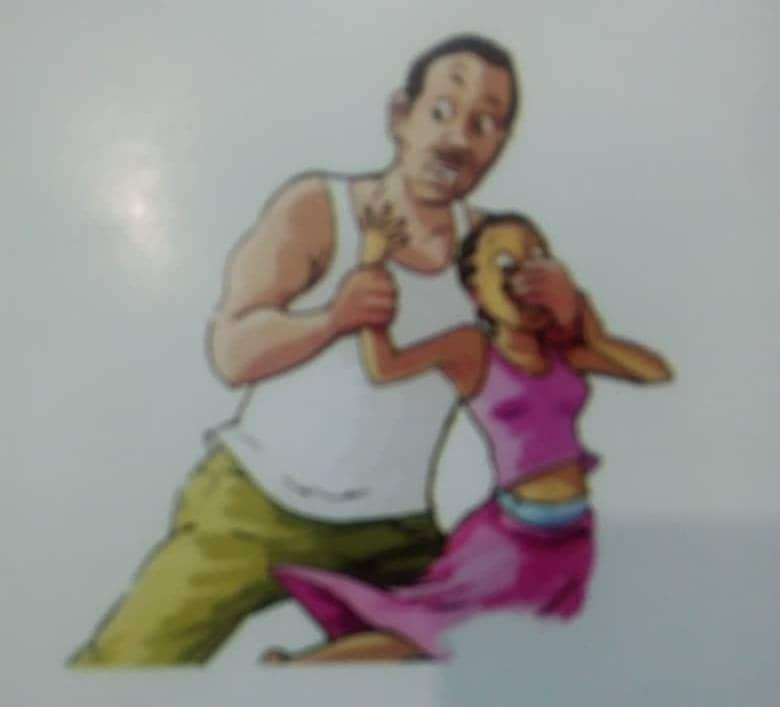
A former Commissioner for Women Affairs, Edo State, Hon. Florence Gbinigie has joined other women across the world to call for a global treaty to eliminate violence against women and girls. According to her, a treaty remains the most powerful tool available to curb the rise in violence and build a more comprehensive framework that allows women and girls exercise their full human right to a life free from violence. “Over the past few years, stories and reports have emerged on how global crises such as war, climate change, Covid-19 and abusive uses of technology are driving a rise in violence against women and girls. Floods have forced
families to flee to camps, where rape and harassment are rampant. Women report feeling unsafe at home due to increased incidents of intimate partner violence as a result of Covid-19. Sexual violence in conflict and in the
military has skyrocketed,” she added
She said that data from the Every Woman Treaty has shown that, “One in two women report that they or a woman they know have experienced violence since the Covid-19 pandemic.
The risk of being trafficked can increase by 20 to 30 percent in the aftermath of extreme weather events and as many as 73 percent of the world’s women have been exposed to some form of online violence, making cyberviolence one of the most prevalent forms of violence against women.”
“The data from published in the Executive summary in Every woman. Org, further revealed that In 2021, the UN reported a significant increase in the number of reported cases of sexual violence in conflict and the rise in violence begs a single question: Are the needs of women and girls being met under the current international framework?
“The indisputable answer is no. While the current framework has produced extraordinary advances, it is not enough to outpace the rising tide of violence. More is needed. For 30 years, experts including the Commission on the Status of Women, Special Rapporteurs on violence against women, and frontline advocates have repeatedly called for a global treaty to eliminate violence against women and girls. “Today, a treaty remains the most powerful tool available to curb the rise in violence and build a more comprehensive framework that allows women and girls exercise their full human right to a life free from violence,” she noted.
Hon. Florence Gbinigie who is the President, Forum of Nigerian Women in Politics, FONWIP said a new treaty would build on the extraordinary foundation of the current system, working in concert with existing mechanisms, including the Convention on the Elimination of All Forms of Discrimination Against Women
(CEDAW) and regional treaties.
“While CEDAW is exceptional at addressing discrimination against women, the scope of discrimination and violence against women are both so vast that both treaties are essential to the lives and well-being of women and girls. In an analysis of 85 of the CEDAW Committee’s recent Concluding Observations, only an average of 17.73 percent was afforded to violence against women and girls, a small percentage, simply because so many
other areas of discrimination need attention. A new treaty would be able to devote 100 percent of its focus to violence against women and girls, supporting and complementing the work of CEDAW,” she added
She noted that the three regional treaties on violence against women — the Belém do Pará Convention in the Americas, Africa’s Maputo Protocol, and the Istanbul Convention in Europe — have been essential in moving toward a more comprehensive and coordinated framework, but they are limited by geography, covering only about 25 percent of the world’s women. That leaves nearly 75 percent of women, the majority of whom are women of color, without protection from a treaty specific to eradicating violence against women and girls.
A new treaty would consolidate definitions and best practices from various instruments into one comprehensive mechanism, codifying standards into
clear, actionable and measurable steps on women’s protection and security.
The Every Woman treaty would ensure that all acts of violence against women and girls are understood as a violation of women’s human rights. It would also work to establish stronger global norms and expectations on the issue, and improve the quality and consistency of laws on violence against women and girls globally.
Women and girls cannot wait. In the face of rising violence, the lack of a binding global instrument leaves the lives of women and girls in peril. As Her Excellency Shara Duncan Villalobos, UN Ambassador, Costa Rica, says, it’s time
“to take on the challenge not only for women and girls but for the whole of society.”
‘‘She also quoted Judge Najla Ayoubi, who pointed out that “Afghanistan
Women and girls are dying. The activists defending them are
hunted. It’s time for us to come together to end violence against
women and girls once and for all.” In the face of rising violence, the lack of
a binding global instrument leaves the lives of women and girls in peril.”
Hon. Gbinigie Joins world leaders to advocate for global treaty to eliminate Violence Against Women and Girls