

Ghanaian influencer and entrepreneur Kwatemaa Andoh has gone viral after stating that she will not date or marry a man who is not financially stable, saying “life isn’t a Nigerian movie.”
The comment, made during a recent discussion online, has sparked widespread conversation about money, love, and expectations in modern relationships.
Andoh, who is known for her content around business, lifestyle and self-development, argued that women should be intentional about the kind of partners they choose because the realities of marriage and daily life are different from what is portrayed on screen
The phrase quickly caught on because it plays on a familiar idea. Nigerian movies, often called Nollywood films, frequently show rags-to-riches love stories where a woman stands by a broke man and he eventually becomes successful.
Her point, she explained, was not about materialism but about practicality. Marriage, bills, health, children, and emergencies require resources. Waiting for “potential” to turn into income, she suggested, puts too much pressure on both partners.Kwatemaa Andoh built her public profile as an influencer and entrepreneur in Ghana. She often shares content about business, branding, and financial independence for women.
In recent months she has spoken more openly about relationships, encouraging women to set standards and to avoid relationships where they will be the sole provider.
She said her stance comes from watching friends and followers struggle after entering relationships or marriages without discussing money, goals, and responsibilities early.
“Love is important,” she noted in follow-up comments. “But love alone doesn’t pay rent. Love alone doesn’t handle hospital bills. You need a partner who can build with you, not someone you have to build for.
Andoh’s statement tapped into a larger conversation happening across Ghana, Nigeria, and the wider African diaspora.On social media, young people are increasingly questioning traditional dating advice. Many women say they are tired of being told to “be patient” and “support him until he makes it.” Many men say they feel pressure to have money before they can even date.
At the same time, economic realities in 2026 — rising cost of living, housing, and education — have made financial stability a bigger factor in relationship decisions.
That’s why Andoh’s blunt wording struck a chord. It was direct, it referenced pop culture, and it named something many people think but don’t say out loud.
Supporters agreed with her. Many women commented that they have worked hard to build their own lives and do not want to carry another adult financially. Entrepreneurs and working professionals said partnership should mean two people bringing value, not one person rescuing the other.
“Thank you for saying it,” one commenter wrote. “We need to stop romanticizing struggle.”Others pushed back. Some said the comment was too harsh and that it reduces relationships to money. They argued that people go through hard times and that a good partner supports each other through seasons. Others accused her of promoting materialism.
A number of men also responded, saying the standard should go both ways — that women should also bring ambition, skills, and financial sense to a relationship, not just expect a man to provide.
For decades, Nollywood has told stories of love conquering poverty. The trope is familiar: a young woman meets a struggling man, believes in him, and years later he becomes a CEO, politician, or millionaire. It’s drama, and audiences love it.
But critics have long said those stories set unrealistic expectations. Real life rarely follows a movie script. Businesses fail. Jobs are lost. And financial stress is one of the leading causes of conflict in marriages.
Andoh’s line — “life isn’t a Nigerian movie” — was essentially saying: don’t base your real-life decisions on fiction.
She encouraged women to have honest conversations early about finances, career goals, and what each person brings to a relationship. She also urged them not to feel guilty for wanting stability.
“Choosing someone who is responsible with money doesn’t mean you don’t love them,” she said. “It means you’re thinking about the future.”
Relationship coaches who reacted to the clip said the discussion is healthy. “We need to normalize talking about money before marriage,” one counselor posted. “Not to be gold diggers, but to be grown.”Andoh is a Ghanaian influencer and entrepreneur with a growing following for her business and lifestyle content. She often speaks to young women about branding, independence, and building multiple streams of income.
She is not a celebrity in the traditional entertainment sense, but her opinions carry weight online because she presents herself as someone who has built from the ground up.
That background is why many people took her comment seriously — she wasn’t speaking from theory, but from experience running a business in a tough economy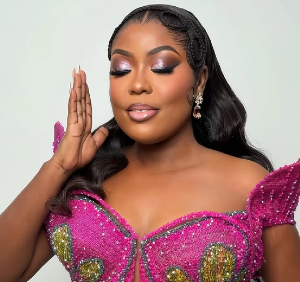
Whether you agree or disagree with Andoh, her statement has done what good commentary does: it started a conversation.

It forced people to ask: What do we expect from partners? How do we balance love and practicality? And how much should pop culture shape our ideas about relationships
“I won’t sette for a poor man because life isn’t a Nigerian movie” may be blunt. But for many listening, it was also honest.