


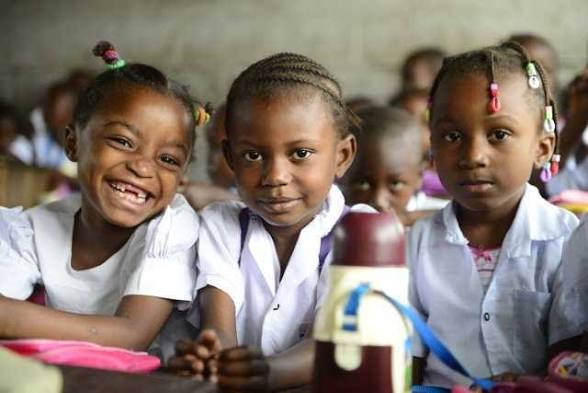
As the world marks the 2026 International Day of the Girl Child on October 11, Nigeria faces renewed calls to confront child marriage and strengthen protections for girls whose childhoods, education, health and future opportunities remain threatened by harmful social and cultural practices.
This year’s theme, “End Child Marriage and Invest in Girls’ Rights!”, highlights the urgent need for governments, communities and families to address the factors that expose girls to early marriage and limit their opportunities to reach their full potential.
Child marriage remains a significant human rights concern in Nigeria, where poverty, insecurity, gender inequality and entrenched cultural practices contribute to the vulnerability of girls in some communities. The consequences can extend beyond the loss of childhood, affecting educational attainment, physical and mental well-being, economic independence and participation in public life.
Girls who marry early may face increased risks associated with early pregnancy, complications during childbirth and limited access to essential health services. Early marriage can also interrupt their education, reducing their chances of acquiring the knowledge and skills needed to secure decent employment and contribute meaningfully to national development.
Addressing the problem requires more than public awareness campaigns. Federal and state governments must strengthen the enforcement of child-protection laws, improve access to education and healthcare, and expand social protection programmes for vulnerable families. Effective implementation is particularly important in communities where economic hardship and social pressure make girls more susceptible to early marriage.
Investment in girls’ rights must also include access to quality education, protection from gender-based violence, opportunities for skills development and meaningful participation in decisions affecting their lives. Keeping girls in school and supporting families facing economic difficulties can help reduce some of the pressures that contribute to child marriage.
Traditional rulers, religious leaders, community organisations and parents also have important roles to play. Their involvement can help challenge harmful practices, promote positive social attitudes and encourage communities to recognise girls as individuals with rights, aspirations and the capacity to shape their own futures.
However, meaningful progress will depend on measurable commitments rather than statements made during commemorative events. Government authorities and relevant institutions must ensure that policies protecting girls translate into practical improvements in their everyday lives.
The International Day of the Girl Child provides Nigeria with an opportunity to assess its progress and renew its commitment to protecting young girls from exploitation, discrimination and practices that undermine their development.
For Obaland magazine, the central issue is clear: Nigeria cannot achieve inclusive development while millions of girls remain at risk of losing their childhood and opportunities to harmful practices. Protecting girls’ rights is not merely a social responsibility; it is an essential investment in the country’s human capital, economic prosperity and future stability.
Ending child marriage requires sustained action, effective laws, accessible education and a collective commitment to ensuring that every girl can grow up safely, learn, make informed decisions and pursue her ambitions.
Nigeria faces renewed calls to end child marriage and protect girls’ rights as the 2026 International Day of the Girl Child highlights education, healthcare and equal opportunities for every girl.