


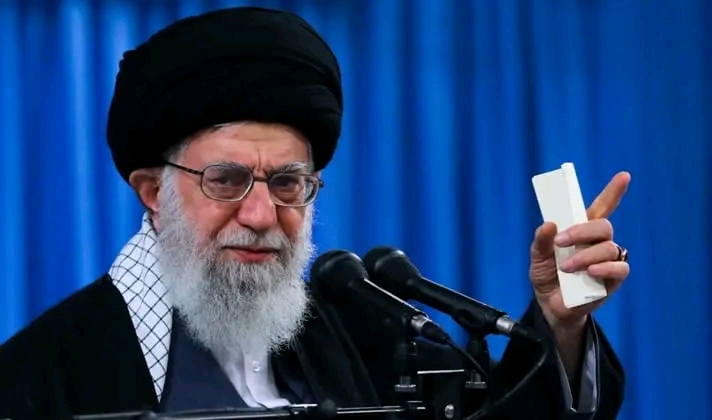
“Iran Postpones State Funeral for Supreme Leader Ali Khamenei Amid Preparations for Historic Public Turnout”
Tehran, Iran Authorities in Iran have postponed the planned state funeral for Supreme Leader Ayatollah Ali Khamenei, citing logistical and security considerations as officials prepare for what is expected to be one of the largest public mourning gatherings in the country’s modern history.
According to Iranian state media reports, government officials announced that additional time is required to accommodate an “unprecedented turnout” of mourners anticipated to travel from across the nation and abroad to pay their final respects. The funeral, initially scheduled to take place in the capital, Tehran, will now occur at a later date yet to be officially confirmed.
Authorities Prepare for Massive Crowds
Organizers said the postponement followed consultations between state institutions, religious authorities, and security agencies tasked with coordinating nationwide memorial events. Officials noted that expanded arrangements were necessary to ensure crowd control, transportation coordination, and public safety during the mourning period.
Iran’s leadership has declared multiple days of national mourning, with religious centers, mosques, and public institutions holding commemorative ceremonies across major cities including Qom, Mashhad, and Isfahan key spiritual and political hubs within the Islamic Republic.
State broadcasters reported that millions of citizens are expected to participate in funeral rites, reflecting Khamenei’s decades long influence over Iran’s political, religious, and geopolitical direction.
Regional and Global Attention
The postponement has drawn significant international attention, as foreign delegations, regional allies, and diplomatic representatives are expected to attend the eventual funeral ceremony. Analysts say the event will likely serve not only as a national mourning occasion but also as a moment of political symbolism for Iran’s leadership transition and regional positioning.
Observers note that large scale funerals for prominent Iranian leaders historically carry deep political meaning, often reinforcing national unity narratives while signaling continuity within the country’s governing structure.
Security presence across Tehran has reportedly increased, with authorities urging citizens to follow official guidelines during public gatherings to prevent overcrowding and ensure orderly participation.
Political Legacy and National Reflection
Ayatollah Khamenei, who served as Iran’s Supreme Leader for decades, played a central role in shaping the Islamic Republic’s domestic governance, foreign policy posture, and ideological framework. His tenure spanned periods of regional conflict, international sanctions, and complex diplomatic negotiations with global powers.
Political analysts across the Middle East suggest the scale and organization of the funeral will reflect both his political legacy and the state’s effort to demonstrate institutional stability during a sensitive national moment.
Iranian officials have indicated that updated funeral arrangements and schedules will be communicated through official channels once preparations are finalized.