


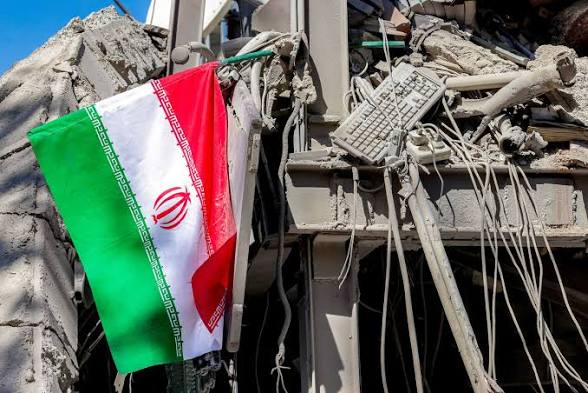
Iran Sets Conditions for Ending Eight Month War, Offers to Reopen Strategic Strait of Hormuz.
Iran has urged the United States to accept its conditions for ending the ongoing eight month conflict, offering to reopen the strategically important Strait of Hormuz within two days as part of a proposed diplomatic arrangement.
The proposal comes amid renewed diplomatic efforts to end hostilities between Washington and Tehran, following US President Donald Trump’s recent remarks suggesting that positive progress was being made towards resolving the conflict.
Iranian Foreign Minister Abbas Araghchi maintained that the conflict cannot be resolved through military action or increased economic pressure, insisting that diplomacy and mutual respect remain the most effective routes towards a lasting settlement.
Speaking to Iran’s state news agency, IRNA, Araghchi said Washington must address Tehran’s outstanding demands, which were outlined in its latest two day proposal.
Under the arrangement, Iran is prepared to reopen the Strait of Hormuz within 48 hours, provided the United States agrees to several conditions. These include ending hostilities across all conflict fronts, releasing frozen Iranian assets, lifting sanctions on Iranian oil exports and terminating the American counter-blockade of Iranian ports.
The demands reflect Tehran’s position that economic restrictions and military pressure must be addressed alongside efforts to restore maritime security and regional stability.
Trump Signals Possible Diplomatic Progress
The Iranian proposal follows Trump’s statement on Monday that there was positive momentum towards ending the conflict after his meeting with Qatar’s prime minister at the White House.
Although the US president expressed optimism about the possibility of a resolution, he maintained that Washington remained prepared to respond militarily if necessary.
Trump also indicated that further American strikes against Iran were becoming less likely, partly because key Gulf allies reportedly preferred to maintain the existing situation rather than witness another escalation.
However, Washington has yet to publicly indicate that it is prepared to accept Tehran’s conditions in full.
Qatar and Pakistan Lead Diplomatic Efforts
Qatar and Pakistan are reportedly playing significant roles in ongoing diplomatic efforts to prevent further escalation and facilitate negotiations between the two countries.
The negotiations face considerable obstacles, particularly over the sequence of concessions and the broader disagreements surrounding Iran’s nuclear programme, economic sanctions and American military presence in the region.
The United States has previously maintained that Iran’s nuclear activities must form part of any comprehensive agreement, while Tehran wants the immediate focus placed on ending the conflict, lifting restrictions and restoring access to the Strait of Hormuz.
Iran’s security chief, Mohsen Rezaei, has also adopted a more confrontational position, urging Washington to accept Tehran’s demands rather than continue its military and economic pressure.
Global Economic Implications of the Hormuz Crisis
The Strait of Hormuz remains one of the world’s most important maritime energy corridors, connecting the Persian Gulf with international shipping routes.
Before the conflict, approximately one fifth of global oil and liquefied natural gas trade passed through the waterway, making its disruption a major concern for international energy markets.
A prolonged closure or restricted passage could increase transportation costs, destabilise oil prices and create additional economic pressure on countries that depend heavily on imported energy.
For African economies, particularly oil importing countries, instability in the Gulf could translate into higher fuel prices, increased transportation expenses and additional pressure on already vulnerable household budgets.
While oil-producing African countries could experience increased export revenues under certain market conditions, higher global energy prices could also raise domestic production and consumption costs.
A Fragile Opportunity for Peace
Iran’s latest proposal represents another attempt to use the reopening of the Strait of Hormuz as leverage in negotiations with Washington.
Nevertheless, significant disagreements remain, and the announcement should not be interpreted as confirmation that a peace agreement has been reached.
Whether the United States accepts Tehran’s conditions or introduces a counterproposal remains central to the future of the negotiations.
For now, international attention is focused on the diplomatic initiatives led by Qatar and Pakistan, as both sides face mounting pressure to prevent renewed military confrontation and restore stability to a region critical to global energy security.
The coming days could prove decisive in determining whether the latest diplomatic opening produces a meaningful breakthrough or another setback in the prolonged conflict.