


“Iran War Escalates Region wide Strikes, Houthi Forces Enter Conflict, Raising Fears of Wider Middle East War”
In the fifth week of the United States‑Israel military campaign against the Islamic Republic of Iran, hostilities have intensified across the Middle East, with new missile strikes, proxy involvement, and enduring strategic stalemates deepening regional instability. The conflict triggered on 28 February 2026 by coordinated U.S. and Israeli air operations into Iranian territory has now entered its second full month, with significant implications for security, energy markets, and diplomatic efforts.
Over the past 24 hours, Yemen’s Iran‑aligned Houthi movement publicly confirmed launching its first direct missile attack on Israel since the outbreak of war, marking a notable escalation as the group vowed continued operations against what it called “aggression” across Iran, Lebanon, Iraq, and Palestinian territories. Israel reported activating air defences and intercepting projectiles believed to originate from Yemeni soil.
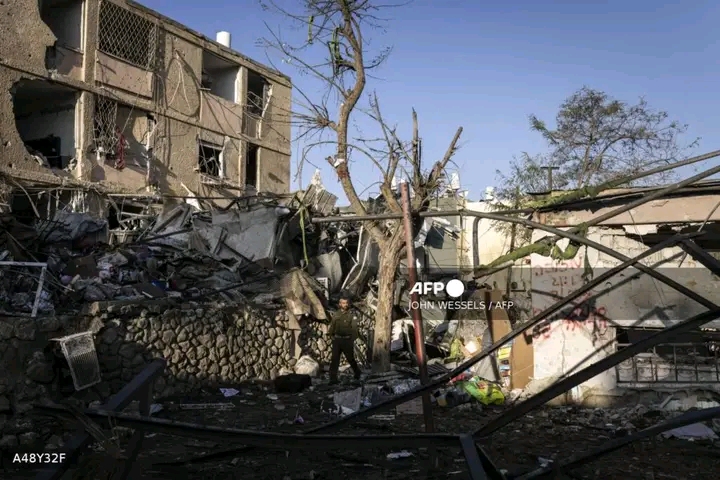
In Israel and the occupied West Bank, debris from intercepted Iranian missiles continues to fall in populated areas, scattering large fragments in residential districts, schoolyards, and agricultural land. Emergency services warn civilians against handling unexploded debris, which poses ongoing hazards, while official tallies note dozens of casualties among both Israeli and Palestinian communities amid the sustained aerial exchanges.
U.S. and allied military assessments paint a picture of partial degradation of Iran’s missile capability. Senior U.S. sources now say only about one‑third of Iran’s larger missile arsenal can be conclusively confirmed destroyed, with significant stocks believed to remain operational or protected in hardened underground facilities. Tehran continues to conduct missile and drone attacks on Gulf states, including recent strikes on the United Arab Emirates and other strategic targets.
The conflict’s political dimensions are also in flux. President Donald Trump faces mounting strategic dilemmas as economic and alliance pressures grow Washington’s leadership debates whether to escalate militarily, potentially including ground operations, or pivot toward diplomatic solutions. Analysts note that domestic political pressures and global energy market disruptions are shaping U.S. decision making.
Regional capitals are sounding their own alarms. Gulf Cooperation Council states including Qatar, Kuwait, the UAE, Bahrain, Saudi Arabia, and Jordan warn of increasing threats from Iran backed militias and proxy forces operating throughout the region, particularly in Iraq, Lebanon, and Yemen. Officials expressed concerns that these networks could destabilize internal security, disrupt oil and gas infrastructure, and draw more countries directly into the fight.
The broader conflict has disrupted civilian life, forced evacuations across several countries, and triggered volatile global commodity markets especially energy prices. Diplomatic channels remain open in parallel, with intermittent reports of indirect negotiations and external mediation efforts, though Tehran continues to reject direct talks without substantial de‑escalation. Independent conflict trackers and analysts caution that without a clear endgame, the war risks entrenching patterns of prolonged regional instability.