


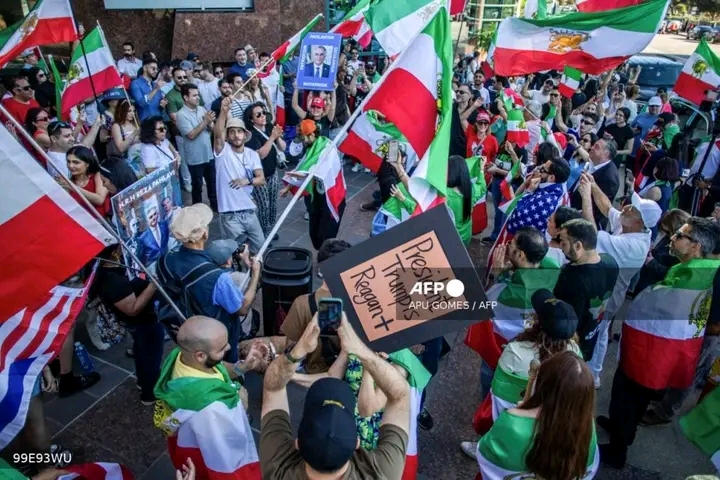
“Iranians Mark Unverified Reports of Ayatollah Khamenei’s Death as Authorities Maintain Silence”
Iranians in several cities were seen gathering in public spaces following unverified reports alleging the death of the country’s Supreme Leader, Ali Khamenei. Videos circulating on social media appeared to show small groups of people celebrating with music and fireworks, though there has been no official confirmation from the Iranian government or state media regarding the claims.
As of press time, Iranian authorities have not issued any statement confirming or denying the reports. Major state-affiliated outlets, including Islamic Republic News Agency (IRNA), have remained silent on the matter, further fueling speculation online.
A Wave of Online Speculation
The unverified claims began trending across digital platforms late Saturday, with hashtags related to Khamenei’s name surging across Persian language and international social media networks. However, leading global media organizations have refrained from reporting the claims as fact due to the absence of official verification.
International outlets such as Reuters, BBC News, and Al Jazeera have previously emphasized the sensitivity surrounding reports about Iran’s top leadership, particularly given the country’s tightly controlled information environment. As of publication, none of these outlets have confirmed the reports.
The Significance of the Supreme Leader’s Role
Ayatollah Ali Khamenei, who has served as Iran’s Supreme Leader since 1989 following the death of Ruhollah Khomeini, holds ultimate authority over Iran’s political, military, and religious institutions. The position oversees the armed forces, judiciary, state broadcasting, and key policymaking structures, including the Guardian Council.
Any confirmed change in leadership would carry profound implications not only for Iran’s domestic politics but also for regional stability across the Middle East. Iran remains a central actor in geopolitical dynamics involving the Gulf region, Israel, and Western powers, including the United States.
Public Reaction and Political Undercurrents
The reported celebrations while not widespread or officially acknowledged reflect underlying tensions within segments of Iranian society. Over the past decade, Iran has experienced intermittent protests tied to economic hardship, governance concerns, and civil liberties debates. Analysts note that moments of uncertainty surrounding leadership often intensify both public expression and state caution.
However, observers also caution against interpreting isolated videos as evidence of nationwide sentiment. Iran’s political landscape remains complex, with diverse views across ideological, generational, and regional lines.
Awaiting Official Clarification
Given the lack of formal confirmation from Tehran, media experts urge caution in sharing or amplifying unverified claims. In tightly managed information environments, rumors regarding senior political figures can spread rapidly, often without substantiation.