

At a recent _Make It With Martell_ event in New Orleans, two African-descended mixologists, Thandi Walton of Zimbabwe and Marcio Ramos of Cabo Verde, made the case that African food and drink have always been ready for the global stage. What’s missing now isn’t the quality or history, it’s control over the narrative and the economic benefits.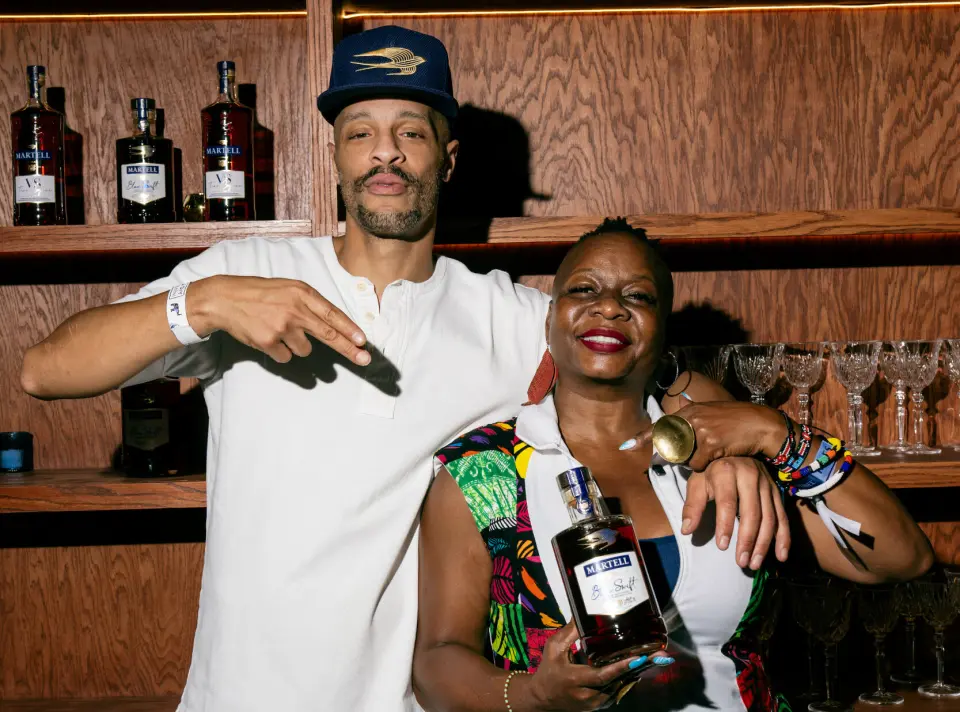

The cultural groundwork is already laid
The article points out how African culture is already global: Afrobeats and amapiano in clubs, African designers on runways, African films winning awards. In the last 15 years there’s been a push to reclaim African stories beyond stereotypes of poverty. Food and drink, the writers argue, could be the next wave.
While African restaurants are starting to get Michelin recognition, indigenous beverages are still largely unknown outside the continent. Examples mentioned:
A new generation of African-owned distillers is now betting on these botanicals to go global, while keeping ownership on the continent. Platforms like _Make It With Martell_ are also pushing bartenders to use cognac with these local ingredients.
Control the story, control the money
Both mixologists warned about what happened with Afrobeats: foreign investment came in fast, pushed artists toward “global” sounds, and then pulled out when authenticity faded. Ramos flips the model to “
The world to Africa,” saying people need to actually visit, learn, and engage without misconceptions. Walton adds that hospitality leaders in Africa and the diaspora should center indigenous methods and ingredients — “I use our teas, I use all the methods from my grandmother’s house.”
Culture travels best when it’s produced, not just consumed. Ghana’s 2025 _AfroGastro Festival_ was cited as an example of “culinary diplomacy” — treating food as trade and tourism. Experts quoted say indigenous food is identity and memory, not just nourishment.
The big hurdles are still structural: expensive intra-Africa travel, hard product movement across borders, and slow approval processes. That’s where governments need to step in. Meanwhile, private events like _Eat Drink Lagos, Nairobi Street Food Festival, Cairo Food Week,_ and _Lagos Cocktail Festival_ are already building the scene.
The momentum is building. As Afrobeats and African film/TV grow, food and drink are next. But for it to last, Africans need to author the story and own the economic upside