


“Israel Expands Strikes on Iran Amid Conflicting Signals on Peace Talks”
In a dramatic escalation of the ongoing Middle East conflict, Israeli forces have widened air and missile strikes against targets inside the Islamic Republic of Iran, intensifying the already protracted war that began in late February 2026. Israeli military operations have reportedly hit strategic sites across Iran, even as diplomatic rhetoric from Washington suggests a possible path toward ending hostilities a narrative Tehran strenuously rejects.
The coordinated offensive, initially launched on 28 February under the codename Operation Lion’s Roar, marked a significant expansion of direct military confrontation between Israel and Iran. The Israel Defense Forces (IDF), backed by U.S. military assets, targeted a range of Iranian infrastructure, government facilities, and strategic positions. Explosions were widely reported over Tehran and other major urban centers, prompting airspace closures and widespread civil defence alerts.
Israeli authorities have justified the campaign as necessary to degrade Tehran’s missile and military capabilities and to pre empt perceived threats to Israeli national security. Iran has responded with its own missile barrages and proxy engagements across the region, contributing to broader instability.
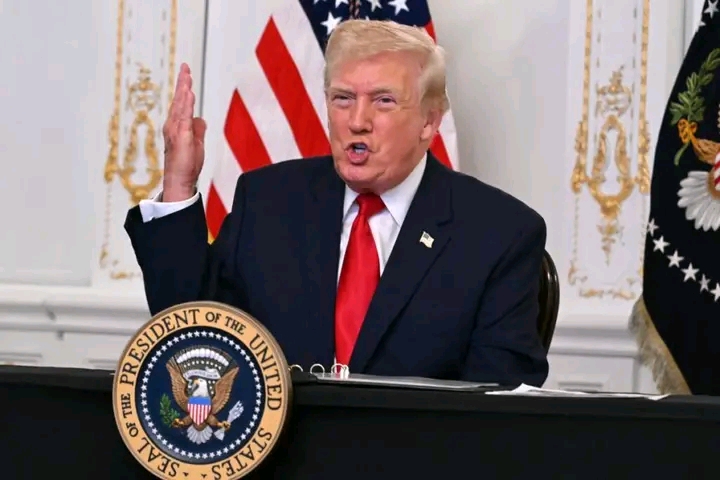
At the same time, diplomatic noise from Washington has introduced starkly different narratives about the prospects for resolving the conflict. U.S. President Donald Trump has publicly asserted that Tehran is “interested in a deal” to end the war, and that “very good and productive conversations” have taken place between American and Iranian representatives. Trump’s remarks coincide with a temporary postponement of planned U.S. strikes on Iranian power infrastructure a five day pause he cast as a window for diplomacy.
However, Tehran has firmly denied the existence of any formal or substantive negotiations with the United States or its allies. Iranian officials, including Foreign Ministry spokespeople and parliamentarians, maintain that no direct talks are underway, asserting publicly that they have rejected ceasefire proposals and insist any end to the conflict must align with Iran’s core security and sovereignty demands.
The conflicting positions reflect deeper mistrust between the adversaries: Washington and Tel Aviv are pushing for an immediate halt to Iran’s nuclear and missile programs, while Tehran demands recognition of its rights and an end to foreign interference. Middle powers such as Pakistan, Turkey, and Egypt have reportedly been involved in shuttle diplomacy aimed at mediating between the parties, though significant gaps remain.
As strikes continue, international markets have reacted nervously, with energy prices remaining elevated and European stock indices showing volatility over fears the war could further disrupt global oil supplies via the Strait of Hormuz a crucial choke point for world energy trade.
With no clear ceasefire in sight, the conflict’s humanitarian and geopolitical toll continues to mount. Analysts caution that unless substantive diplomacy replaces rhetoric on both sides, the region could face an extended period of violent instability.