

“Israel Strikes Iran and Lebanon as Middle East War Enters Dangerous New Phase”
The ongoing conflict in the Middle East has entered what analysts describe as a new and more volatile phase, following fresh Israeli military strikes targeting sites in both Iran and Lebanon. The developments are intensifying fears of a broader regional confrontation with potential global consequences.
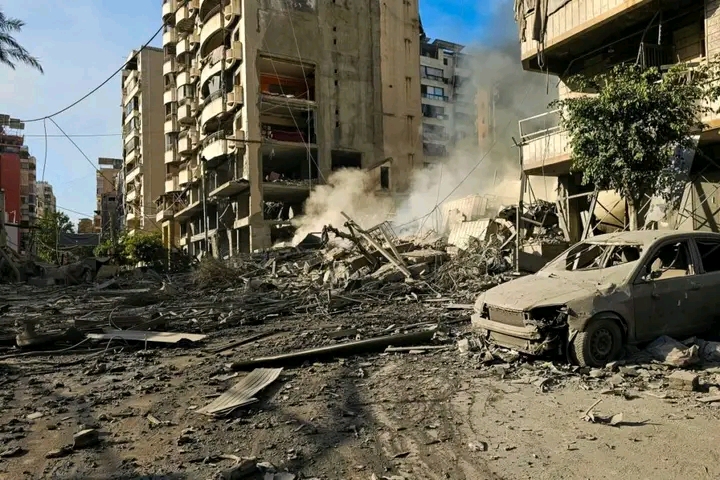
According to multiple international media reports, the latest round of strikes carried out by Israel targeted locations linked to Iranian-backed military infrastructure and armed groups in Lebanon. The attacks come amid escalating hostilities across the region and signal a widening conflict involving several state and non state actors.
Regional tensions have remained high since Israel intensified its military operations against militant networks it accuses of coordinating attacks across its borders. Officials in Israel argue that the strikes are part of a broader effort to dismantle threats posed by Iranian supported groups operating throughout the Middle East.
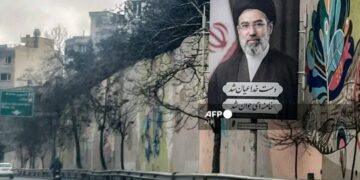
Authorities in Iran have condemned the strikes, describing them as a violation of sovereignty and warning that continued aggression could trigger retaliatory measures. Tehran has repeatedly accused Israel of destabilizing the region and fueling an already fragile security environment.
Meanwhile, the situation in Lebanon remains particularly delicate. Lebanese officials and regional observers say the strikes risk further destabilizing the country, which has long struggled with political divisions, economic hardship, and the presence of armed factions aligned with Iran.
Security analysts say the involvement of multiple fronts including Israel’s confrontation with Iranian-backed forces suggests the conflict may be evolving beyond isolated incidents into a broader strategic struggle across the Middle East.
International concern is also mounting. Global powers have called for restraint, warning that a wider regional war could disrupt international energy markets, trigger new humanitarian crises, and threaten global security.
Diplomatic efforts are underway to prevent further escalation, with several governments urging dialogue and de-escalation. However, analysts caution that the expanding scope of the conflict makes a swift resolution increasingly difficult.
For Africa and other regions heavily dependent on Middle Eastern energy supplies and trade routes, prolonged instability could have far-reaching economic implications, including potential disruptions to oil markets and global shipping.
As the situation unfolds, the latest strikes underscore how rapidly tensions in the Middle East can escalate raising the stakes for regional stability and international diplomacy.