


“Jos Palm Sunday Attack: Governor Mutfwang Confirms 28 Dead, Vows Justice Amid Rising Security Concerns”
Plateau State Governor Caleb Mutfwang has confirmed that 28 people were killed in a brutal Palm Sunday gun attack in the Angwan Rukuba community, Jos North Local Government Area, underscoring deepening security challenges in Nigeria’s Middle Belt. The assault, which occurred on the evening of Sunday, March 29, 2026, has sparked community grief, official condemnation, and heightened calls for stronger protective measures.
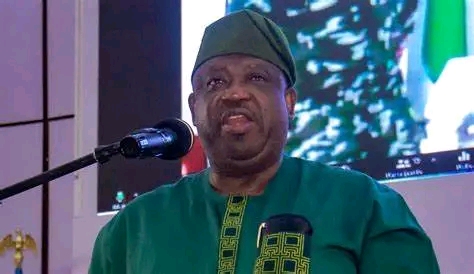
In a televised address on Tuesday, March 31, Governor Mutfwang described the attack as “tragic” and “senseless”, expressing profound sorrow for the lives lost and injuries sustained. He reaffirmed the state government’s commitment to bringing the perpetrators to justice and enhancing security coordination with national agencies.
“It is with a heavy heart and profound sorrow… this unfortunate event led to the loss of 28 innocent lives and left many others injured,” the governor said, emphasizing that justice will be pursued “to its logical conclusion to ensure closure for the victims, their families, and, most importantly, the generality of the peace‑loving people of Plateau State.”
Eyewitness accounts and community leaders say suspected gunmen on motorcycles opened fire indiscriminately around Gari Ya Waye, a busy area hosting traders, residents and students. Several injured victims were taken to hospitals, with the death toll rising as critically wounded individuals succumbed to their injuries.
In response to the violence, Plateau authorities imposed a 48‑hour curfew across Jos North to restore calm and support security operations. The measure, effective from midnight on March 29 to April 1, 2026, aims to curtail potential reprisals and allow law enforcement to pursue leads.
Local reactions to the attack have varied. While some residents welcomed the governor’s presence and reassurances, others have expressed frustration over perceived security lapses and delayed responses by authorities. Demonstrations were reported in parts of the city, with mourners demanding accountability and stronger protection for vulnerable communities.
National civil society actors, including the National Youth Council of Nigeria (NYCN), condemned the killings as “barbaric, senseless and unacceptable,” urging restraint and collective efforts to rebuild peace and unity across the state.
The attack in Jos reflects persistent insecurity in central Nigeria, where disputes over land, resources and identity have fuelled cycles of violence and mass casualty incidents in recent years. While investigative and security responses are underway, the tragedy has again raised questions about broader strategies to safeguard civilians across Plateau and surrounding regions.