


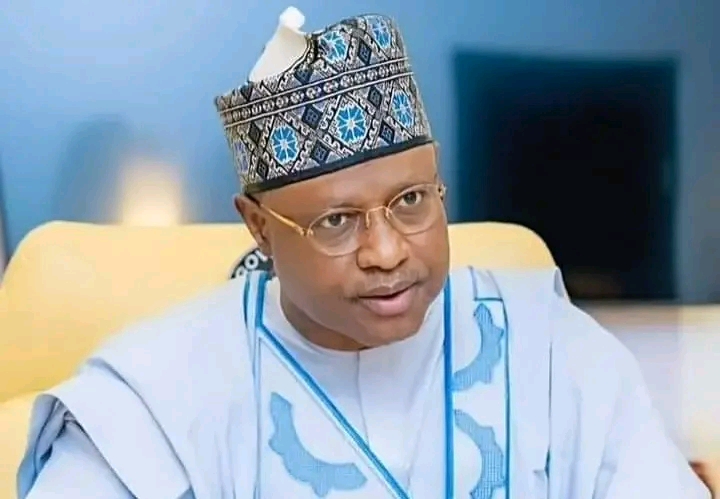
“Kaduna Governor Uba Sani Calls for Multi Stakeholder Investment in Education, Says Government Cannot Shoulder Burden Alone”
Kaduna State Governor, Uba Sani, has reiterated the urgent need for stronger collaboration among governments, private sector actors, development partners, communities, and civil society organizations to improve education outcomes across Nigeria, stressing that government alone cannot adequately fund the sector.
The governor made the assertion while highlighting the growing financial demands of providing quality education in a rapidly expanding population. According to him, sustainable educational development requires collective responsibility and increased investment from all stakeholders to bridge funding gaps, enhance infrastructure, improve learning environments, and expand access to quality education.
Uba Sani noted that education remains one of the most critical pillars for economic growth, social stability, and human capital development. He emphasized that while governments at all levels have a constitutional responsibility to provide education, the scale of existing challenges including inadequate infrastructure, teacher shortages, technological gaps, and rising enrollment figures requires broader partnerships and innovative financing mechanisms.
The governor further underscored the importance of public private partnerships in strengthening educational institutions, improving vocational training, and equipping young people with skills needed to compete in an increasingly globalized economy. He urged corporate organizations, philanthropic foundations, international development agencies, and local communities to contribute meaningfully toward advancing educational opportunities.
Education experts have long argued that achieving sustainable progress in the sector demands increased investment beyond public budgets. Nigeria continues to face significant educational challenges, including out of school children, infrastructure deficits, and disparities in access to quality learning, particularly in underserved communities.
Governor Sani’s remarks align with ongoing national conversations on education financing and the need to mobilize resources from diverse stakeholders to support reforms capable of improving educational standards and strengthening the country’s future workforce.
As governments across Africa seek solutions to funding constraints in the education sector, experts say collaborative approaches involving public institutions, private investors, development partners, and local communities may play a decisive role in accelerating educational transformation and achieving long term development goals.