


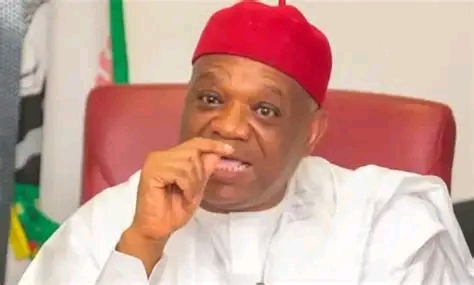
Kalu Defends Catholic Bishops’ Critique, Says Tinubu Was Told the Reality of Nigeria’s Hardships.
Former Abia State Governor and Senator representing Abia North, Orji Uzor Kalu, has said the Catholic Bishops of Nigeria spoke candidly to President Bola Ahmed Tinubu about the country’s worsening economic conditions and security challenges, insisting that their remarks reflected the realities confronting millions of Nigerians.
Speaking during a televised interview, Kalu acknowledged that the Catholic Bishops delivered an honest assessment of the nation’s current situation, arguing that unlike many political figures who may be reluctant to criticize the government openly, the bishops presented the President with the truth about the hardship experienced by citizens.
According to the former Senate Chief Whip, the concerns raised by the bishops regarding rising inflation, the cost of living, unemployment, and persistent insecurity should not be dismissed as political criticism but viewed as constructive feedback aimed at strengthening governance and improving public welfare.
The Catholic Bishops Conference of Nigeria (CBCN) has repeatedly called on the Federal Government to intensify efforts to address economic instability, insecurity, poverty, and governance challenges. The bishops have urged policymakers to adopt people centred reforms that would cushion the impact of economic policies on ordinary Nigerians while restoring public confidence in government institutions.
Kalu maintained that President Tinubu should continue engaging with religious leaders, civil society organisations, and other stakeholders whose perspectives reflect the experiences of Nigerians across different communities. He noted that sincere criticism, when accepted in good faith, can contribute to better policymaking and national development.
The comments come amid ongoing national debates over the Tinubu administration’s economic reforms, including the removal of fuel subsidies and foreign exchange policy adjustments, which have drawn mixed reactions from citizens, economists, religious leaders, and political stakeholders. While the Federal Government argues that the reforms are necessary to stabilize Nigeria’s economy over the long term, many Nigerians continue to express concerns about their immediate impact on household incomes and living standards.
As discussions continue, Kalu’s remarks add to the growing conversation on the role of religious institutions and public figures in holding government accountable while promoting constructive dialogue on Nigeria’s future.