

In a startling revelation, the Chairman of the Kano State Public Complaints and Anti-Corruption Commission (PCACC), Muhyi Magaji Rimin Gado, has disclosed that over N50 billion has been misappropriated from the accounts of the state government and its 44 local government councils. This alarming figure underscores the scale of corruption that has plagued the region, prompting urgent calls for reform and greater oversight.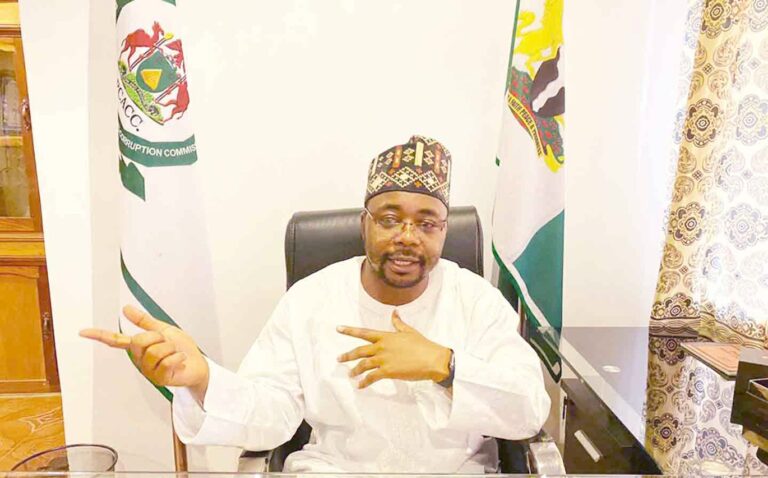

Speaking during a capacity-building workshop aimed at equipping senior civil servants with anti-corruption strategies, Rimin Gado highlighted specific instances of fraud, including a case where N450 million was ostensibly allocated for the purchase of mosquito-treated nets. However, upon investigation, it was discovered that the suspect involved sought a restraining order against the commission from a court in Abuja, signaling attempts to evade scrutiny.
Rimin Gado elaborated on the commission’s findings, stating, “In some cases, we found over N50 billion stolen from the treasury, and we have about 145 witnesses. We’ve traced properties linked to the theft in Dubai, London, and Abuja, including hotels.” His remarks illustrate the extensive nature of the corruption scandal, which not only affects the local government but also has international implications as stolen funds are laundered abroad.
The Resident Commissioner of the Independent Corrupt Practices and Other Related Offences Commission (ICPC) in Kano, Ibrahim Garba Kagara, commended the efforts of the PCACC in revitalizing the fight against corruption. He pointed out that a significant portion of corruption cases—over 80%—are tied to procurement processes. These include practices such as cost inflation, substandard work, and the non-execution of contracts after full payment has been made, all of which undermine public trust and drain public resources.
Echoing this perspective, CSP Aminu Bashir, representing the Zonal Director of the Economic and Financial Crimes Commission (EFCC), noted that an overwhelming 95% of corruption cases stem from issues within procurement. He advised civil servants to adhere strictly to established procurement laws to mitigate the risk of legal repercussions and ensure transparency in government dealings. “As long as you comply with the law, there will be no issues,” he assured the attendees at the workshop.
Kano State’s Governor, Abba Kabir Yusuf, represented by his deputy, Aminu Abdulsalam Gwarzo, addressed the systemic nature of corruption, emphasizing that fraud often occurs with the complicity of civil servants. He reiterated the current administration’s zero-tolerance stance on corruption, lamenting that Kano had suffered from severe corruption over the past eight years, which has significantly hindered the state’s progress and development.
This recent revelation of widespread corruption highlights the urgent need for systemic reforms within the Kano State government and its agencies. The PCACC’s findings underscore the critical importance of accountability and transparency in public service, as well as the need for collaboration among various anti-corruption bodies to combat this pervasive issue effectively.
As the fight against corruption continues, the Kano State government faces the daunting task of restoring public trust and ensuring that funds meant for the development of the state are used appropriately. The revelations from the PCACC serve as a wake-up call for all stakeholders involved in governance and public service to actively engage in practices that promote integrity and accountability, ultimately fostering a more transparent and effective government for the citizens of Kano State.