

In a surprising turn of events, Kano State Governor, Abba Yusuf, has reappointed Lamido Sanusi as the Emir of Kano, four years after he was dethroned by former Governor Umar Ganduje. The governor also deposed five emirs appointed by Ganduje and gave them a 48-hour ultimatum to vacate their official residences and palaces. This move comes after the Kano House of Assembly repealed the Kano State Emirs (Appointment and Deposition) Law, which had established additional emirates in the state under Ganduje’s administration.
Sanusi, a prominent figure in Nigeria’s socio-political and economic landscape, had a distinguished banking career before becoming the Governor of the Central Bank of Nigeria in 2009. He ascended the throne as the 14th Emir of Kano in 2014, succeeding his great-uncle, Ado Bayero. However, his tenure as emir was marked by a strained relationship with Governor Ganduje, who accused Sanusi of mismanagement and corruption.
The disagreement between Sanusi and Ganduje reached its peak in 2019 when the Kano State government created four additional emirates, reducing the powers of the emir. Sanusi challenged the creation of these emirates in court, arguing that it was politically motivated and designed to weaken his position. As a result, he was deposed and sent into exile, sparking widespread outrage and condemnation.
Despite his deposition, Sanusi’s influence and support base remained strong. In 2023, the Federal High Court ruled in his favor, declaring his deposition and exile unconstitutional. This ruling set the stage for his potential return to the throne. Now, with the repeal of the law establishing the additional emirates, Kano Emirate is once again consolidated under a single ruler.
The decision to reinstate Sanusi as emir has been met with mixed reactions. Supporters of the governor argue that it is a necessary step to restore unity and peace in Kano, while critics accuse him of trying to erase the legacies of his predecessor, Ganduje. The Northern Elders Forum, led by Professor Ango Abdullahi, expressed concern over the multiplication of emirates in Kano, stating that it undermines traditional rulers and threatens the unity of the region.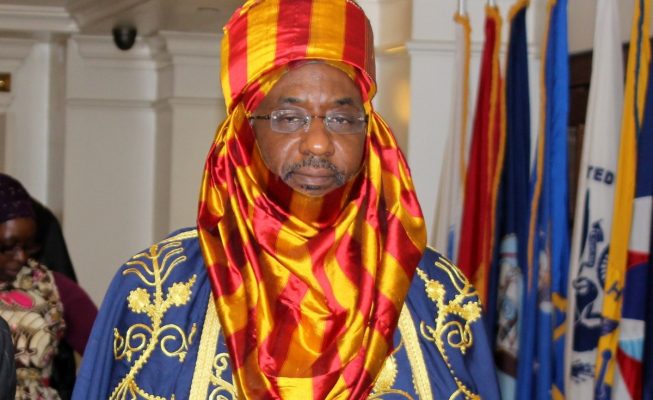

As Sanusi prepares to return to the ancient city of Kano, it remains to be seen how his reinstatement will impact the socio-political dynamics of the state. Kano residents are urged to cooperate and support the move towards peace and development. The governor now has the responsibility to appoint a new emir for the state, as the five former emirs affected by the repeal law are required to vacate their positions and hand over all properties to the commissioner for local government and chieftaincy affairs.
The reinstatement of Sanusi marks a significant moment in Kano’s history and sets the stage for a new chapter in the state’s governance.