

In the heart of Katsina State, traders are feeling the adverse effects of a nationwide wave of protests under the banner of #EndBadGovernanceInNigeria. As these demonstrations continue to unfold, many small business owners in the state capital are reporting significant declines in customer patronage, leading to widespread concern about their livelihoods.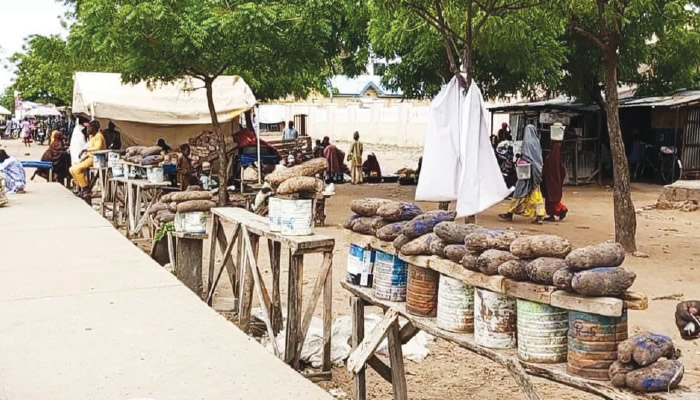

The protests, which have gained momentum across the country, have brought about various disturbances, including injuries to both security personnel and protesters, looting of businesses, and destruction of properties valued in the billions of naira. In Katsina, the impact of these events has been felt deeply by local traders, particularly those engaged in small-scale enterprises.
On a recent Monday, several petty traders voiced their frustrations to our correspondent, highlighting the troubling trend of decreasing foot traffic in their shops. One seller of perfumes and caps, located in the bustling Jikan Hajiya plaza, lamented the situation, stating, “Customers are not coming to buy anymore due to the high price of our commodities.” He expressed his anxiety over the financial strain he faces, having invested all his savings in his inventory. “Before you know it, you will spend the whole capital you have accumulated,” he added, illustrating the precarious nature of his business.
Another trader, a middle-aged man named Adams, who operates a fruit-selling business at the Katsina Hajj Camp Roundabout, echoed these sentiments. Having dedicated over a decade to his trade, Adams described the stark contrast in his business performance since the protests began. “The situation is different from day one of the protest until today,” he said with visible distress. “All we see is low patronage, and I’m afraid that even feeding my family will be hard.” He appealed to the Federal Government for support, advocating for soft loans or grants to help mitigate the effects of inflation and the current economic hardship facing many Nigerians.
The challenges faced by these traders are representative of a larger economic struggle that is exacerbated by political unrest and social discontent. The protests, while rooted in legitimate grievances over governance and public welfare, have inadvertently placed additional burdens on those already struggling to make ends meet.
As the situation continues to develop, the need for governmental intervention and support becomes increasingly urgent. Local traders are hoping for measures that will not only address their immediate financial challenges but also provide long-term solutions to the broader economic issues facing their communities. Without such support, many fear that their businesses may not survive the ongoing turmoil, further impacting the local economy and the livelihoods of countless families in Katsina State.