

On November 7, 2024, the Samburu National Reserve in Archer’s Post, Kenya, became a vibrant hub of cultural celebration as it hosted the annual Maa Festival. This festival honors the rich heritage of the Maa people, a group of pastoralist communities in Kenya known for their enduring traditions and resilience in the face of modern challenges such as climate change and urbanization.
The Maa Festival serves as a gathering point for various tribes within the Maa community, including the well-known Maasai, Samburu, Laikipiak, and Njemps. It showcases the strength of their cultural identity while highlighting the pressures they face in a rapidly changing world. Attendees donned traditional attire, and the air was filled with the rhythm of cultural dances and music that resonated with both ancient and contemporary influences.
One of the striking features of this year’s festival was the integration of modern technology with age-old customs. In a traditional straw-topped, dung-walled hut, women from the Samburu community shared pictures on smartphones and tablets, connecting with members of other sub-tribes and enhancing their communal experience. This blend of old and new illustrates the adaptive nature of the Maa culture, which seeks to retain its identity while embracing modernity.
The festival’s main stage featured performances that fused traditional Maa chants with contemporary music, creating a captivating atmosphere. Dancers adorned in dazzling beads and elaborate headdresses performed intricate movements that paid homage to their ancestors while engaging the audience in a celebration of their cultural legacy. The event highlighted the importance of maintaining the vibrancy of Maa culture, which has historically served as a symbol of Kenya’s national identity.
Despite the celebrations, the Maa communities face significant challenges. Climate change has drastically affected their pastoral lifestyle, leading to dwindling water resources and forcing herders to travel farther from their families. Stella Napanu of the Northern Rangelands Trust emphasized the communal nature of the Maa people, noting, “The Maa lived very communally. That strengthened them and helped protect their culture from outside influences.” However, the increasing pressures have led to a disconnect between generations, weakening traditional structures and relationships.
While some changes brought by modernization have been beneficial, such as increased visibility for Maa musicians through platforms like YouTube, the allure of urban living poses a threat to communal lifestyles. Nasieku Letipila, who oversees Samburu County’s culture department, expressed concern about the future of these traditions. “For the Maa, if I have 10 cows and my neighbor has none, I have to share—I cannot eat if they cannot eat—that is the most beautiful part of our culture,” she noted. Yet, as more people migrate to cities, these communal values become harder to uphold.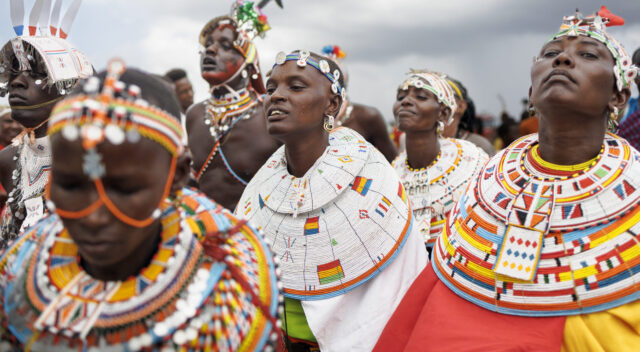

The Maa Festival, which is becoming an annual event following its inception last year, provides a much-needed opportunity for the Maa people to reconnect with their heritage. “I always have to go back to the village and live like that for a while,” Letipila shared. For many, this return to traditional ways of living is essential, as they seek to preserve the cultural practices that define their identity. “Our culture is the strongest in Kenya. It’s a religion to us; we cannot live without it,” she stated passionately.
In conclusion, the Maa Festival stands as a testament to the resilience of the Maa people amid the challenges posed by modernization and climate change. It serves not only as a celebration of their rich cultural heritage but also as a reminder of the importance of preserving traditional values in an increasingly urbanized world. As the festival continues to grow in prominence, it embodies the hope and determination of the Maa communities to maintain their identity for future generations.