


“Lagos Island Sanitation Crackdown: 46 Arrested as Authorities Intensify War Against Open Defecation”
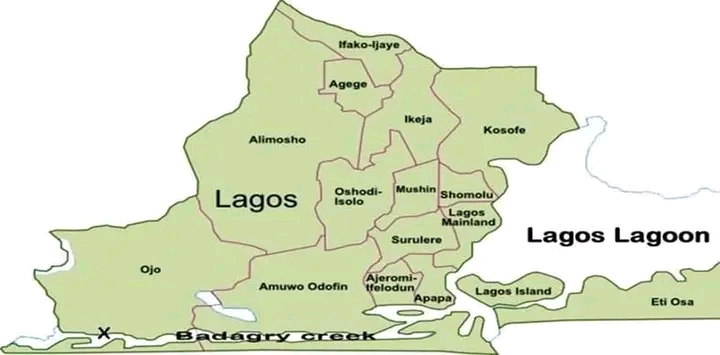
Lagos, Nigeria Lagos State authorities have arrested 46 individuals on Lagos Island for engaging in open defecation, reinforcing the government’s renewed enforcement of environmental sanitation regulations aimed at safeguarding public health and restoring urban hygiene standards in Nigeria’s commercial capital.
Officials disclosed that the arrests were carried out during routine environmental monitoring operations led by the Lagos State Environmental Sanitation Corps (popularly known as KAI) alongside relevant state agencies responsible for public sanitation compliance. The operation targeted areas identified as sanitation hotspots, where persistent violations have raised concerns about disease transmission, environmental degradation, and urban safety.
According to state authorities, the enforcement action forms part of a broader strategy to eliminate open defecation across Lagos, a megacity grappling with rapid population growth, infrastructure pressure, and waste management challenges. Offenders are expected to face prosecution in accordance with existing environmental and public health laws.
Public Health and Urban Safety Concerns
Environmental experts warn that open defecation poses significant risks, including contamination of water sources, spread of communicable diseases such as cholera and typhoid, and deterioration of public spaces. Lagos State officials argue that strict enforcement is necessary to discourage harmful practices while promoting responsible sanitation behavior among residents and visitors.
The Lagos State Government has repeatedly emphasized that enforcement measures are being combined with public awareness campaigns encouraging the use of designated public toilets and improved hygiene practices. Authorities also note ongoing investments in sanitation infrastructure and partnerships with private operators to expand access to public conveniences across densely populated districts.
Balancing Enforcement with Infrastructure Needs
Urban policy analysts say enforcement alone may not fully resolve sanitation challenges without sustained investment in accessible and affordable toilet facilities. Advocacy groups have called for increased community engagement and expansion of sanitation infrastructure, particularly in informal settlements where access remains limited.
Nigeria continues to work toward achieving the United Nations Sustainable Development Goal (SDG) 6, which seeks universal access to safe water and sanitation. Lagos, as Africa’s most populous city, is viewed as a critical testing ground for scalable sanitation reforms capable of influencing urban policy across the continent.
Government’s Zero Tolerance Approach
State officials maintain that the crackdown sends a clear signal that environmental violations will no longer be tolerated, stressing that maintaining cleanliness is a shared civic responsibility. Authorities have urged residents to comply with sanitation regulations and report environmental infractions to relevant agencies.
The arrests highlight Lagos State’s broader push to strengthen environmental governance as part of efforts to improve public health outcomes, attract investment, and enhance the city’s global competitiveness.