


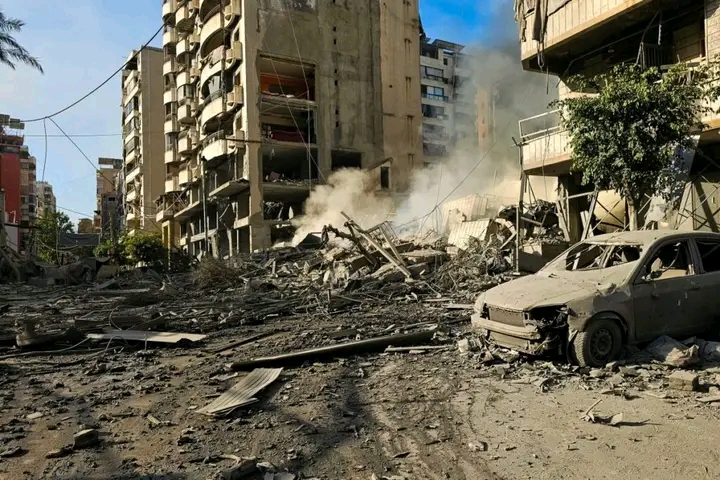
“Middle East War Expands to Gulf as French Soldier Killed in Iraq, Oil Prices Surge Past $100″
The intensifying conflict across the Middle East has entered a dangerous new phase, with fresh airstrikes and retaliatory attacks reported across Iran and several Gulf nations, while France confirmed the death of one of its soldiers in Iraq marking a significant escalation with widening international implications.
According to French authorities, the soldier was killed during a security operation linked to ongoing regional hostilities in Iraq, becoming France’s first confirmed military casualty since the latest surge in violence began. The incident underscores growing risks faced by international forces operating in the region as tensions between Iran, allied militias, and Western backed coalitions continue to deepen.
Military sources and regional observers report that coordinated strikes have targeted strategic locations tied to military infrastructure and energy facilities across parts of Iran and the Gulf. The attacks come amid an expanding cycle of retaliation following weeks of heightened confrontation involving proxy groups and state actors. Analysts warn that the widening geographical scope of the conflict signals a shift from localized clashes toward a broader regional confrontation capable of destabilizing global security dynamics.
The economic consequences are already being felt worldwide. Global oil markets reacted sharply to the escalating violence, with crude prices rising above $100 per barrel for the first time in months amid fears of supply disruptions through critical shipping routes in the Gulf. Energy analysts note that instability near key oil transit corridors, including routes linked to the Strait of Hormuz, could further strain global inflation and energy security, particularly for import-dependent economies across Africa and Asia.
European governments have begun reassessing troop deployments and security protocols across Middle Eastern missions, while diplomatic efforts led by international organizations are intensifying to prevent further escalation. Calls for restraint have emerged from multiple global powers, emphasizing the urgent need for dialogue to avert a wider regional war with far-reaching humanitarian and economic consequences.
Security experts caution that continued attacks on military and energy infrastructure risk triggering prolonged instability, potentially reshaping geopolitical alliances and global energy markets. As the conflict expands, civilians across affected regions remain vulnerable to displacement, economic hardship, and humanitarian pressure.