


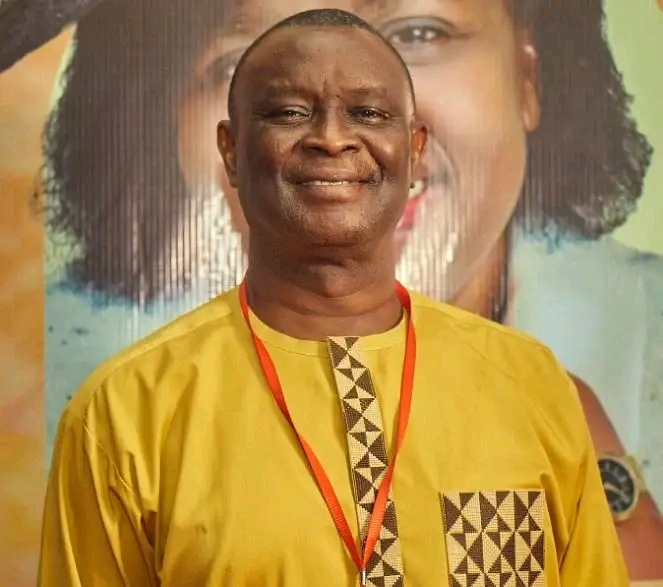
“Mike Bamiloye Defends Adeboye Amid Protest Debate, Says Expecting 84 Year Old Cleric to Lead Demonstrations Is Unrealistic”
Prominent Christian filmmaker and evangelist Mike Bamiloye has defended Pastor Enoch Adeboye, General Overseer of Redeemed Christian Church of God, amid growing public debate over the role of religious leaders in addressing Nigeria’s security and governance challenges.
Bamiloye’s comments come as social media discussions intensified following criticism directed at Adeboye over his perceived response to the country’s worsening insecurity. Some critics questioned why the revered cleric, who has previously participated in public prayer walks and advocacy efforts, is not leading street protests against the current security situation.
Responding to the criticism, Bamiloye argued that expecting an 84 year old religious leader to spearhead public demonstrations is unreasonable and overlooks the realities of age and the distinct responsibilities of spiritual leadership. He maintained that Adeboye’s role is primarily to provide spiritual guidance, moral counsel, and prayers rather than act as a political activist.
The debate gained momentum after the Redeemed Christian Church of God (RCCG) issued clarifications regarding viral claims that Adeboye had previously led protests against the administration of former President Goodluck Jonathan. The church stated that widely circulated images showing Adeboye carrying a placard were taken during a peaceful nationwide Christian walk organized to draw attention to attacks on Christians and insecurity, not a protest targeting Jonathan’s government.
RCCG also emphasized that Adeboye has not remained silent on national issues. The church pointed to several public statements in which the cleric called on the government to address insecurity and protect citizens. Recent remarks attributed to Adeboye urged Nigerian authorities and security agencies to take more decisive action against terrorism and violent crimes.
The controversy has sparked wider conversations about the responsibilities of faith leaders in times of national crisis. While some Nigerians believe influential religious figures should take a more active role in demanding accountability from government officials, others argue that civic activism should primarily be led by citizens, civil society organizations, and elected representatives rather than elderly clerics.
As discussions continue across the country, the issue highlights the broader debate over the intersection of religion, leadership, civic engagement, and public accountability in Nigeria’s democratic landscape.