


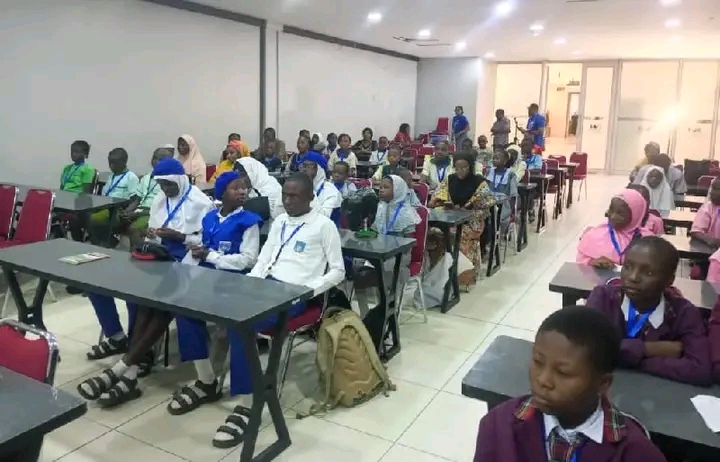
“Mother Tongue Education and Innovation Skills Gain Momentum as Stakeholders Seek Better Learning Outcomes for Nigerian Children”
Education stakeholders across Nigeria have intensified calls for the adoption of mother-tongue instruction and the integration of innovation driven skills into early childhood learning, arguing that the approach could significantly improve educational outcomes and better prepare children for the demands of a rapidly evolving global economy.
The advocacy emerged during recent discussions among educators, policymakers, development partners, and child development experts, who stressed that children learn more effectively when taught in languages they understand from an early age. According to stakeholders, mother-tongue education strengthens literacy development, enhances comprehension, and promotes cultural identity while laying a stronger foundation for future academic success.
Experts also emphasized the growing importance of innovation, creativity, critical thinking, and problem-solving skills in modern education. They argued that beyond traditional classroom instruction, Nigerian children should be equipped with practical competencies that foster entrepreneurship, technological adaptation, and competitiveness in an increasingly digital world.
Stakeholders noted that combining indigenous language instruction with innovation-focused learning could help bridge educational gaps, particularly in underserved communities where language barriers often affect classroom participation and academic performance. They maintained that such reforms would not only improve learning outcomes but also contribute to national development by nurturing a generation of skilled and confident young citizens.
The renewed push aligns with global recommendations from international organizations, including UNESCO, which has consistently advocated for multilingual education and the preservation of indigenous languages as critical components of inclusive and equitable learning systems. Education advocates believe that investing in culturally relevant teaching methods and future-ready skills will help Nigeria strengthen its human capital and position young learners for success in the 21st century.
As conversations around educational reform continue, stakeholders are urging government agencies, schools, and development partners to prioritize policies that support mother tongue instruction, teacher training, curriculum modernization, and innovation based learning initiatives across the country.