


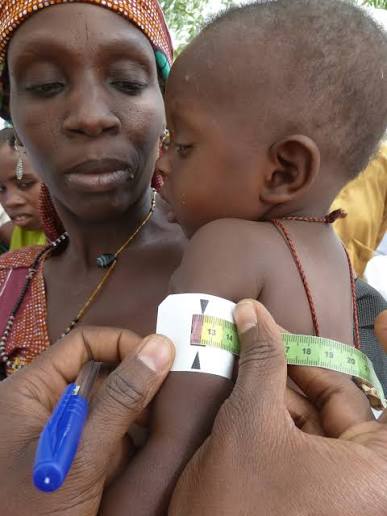
MSF Treats Over 87,000 Children for Malnutrition in Katsina in Eight Months, Warns of Persistent Nutrition Crisis.
More than 87,000 children received treatment for acute malnutrition in Katsina State between January and August 2026, according to international medical humanitarian organisation Médecins Sans Frontières (MSF), also known as Doctors Without Borders.
The organisation disclosed that although the number of children treated was lower than the figure recorded during the same period in 2025, the situation remains a major public health concern, highlighting the continuing challenges facing vulnerable families across northern Nigeria.
According to MSF, its teams treated more than 87,000 children through four outpatient therapeutic feeding centres in Katsina during the first eight months of 2026. More than 95,000 children received similar treatment during the corresponding period in 2025.
The organisation also reported that nearly 15,500 children required hospitalisation for severe or complicated malnutrition between January and August 2026, compared with approximately 16,500 during the same period last year.
MSF’s medical coordinator in Nigeria, Dr Raphael Kananga, said the reduction in treatment figures was encouraging but insufficient to suggest that the crisis had been resolved.
He stressed that the number of children requiring treatment remained exceptionally high and exceeded the levels recorded two years earlier.
Poverty, Insecurity and Rising Food Prices Worsen Malnutrition
MSF identified several interconnected factors contributing to childhood malnutrition in Katsina and other parts of northern Nigeria, including widespread poverty, rising food prices, insecurity, displacement, disease outbreaks and extreme weather conditions.
These challenges have affected household purchasing power, disrupted agricultural activities and reduced access to adequate food and essential healthcare services.
In communities affected by insecurity, the displacement of farming families and disruptions to local markets can make it more difficult for households to obtain nutritious food. Children, particularly those under five, are especially vulnerable to the consequences of inadequate nutrition.
The crisis also reflects broader socioeconomic pressures facing northern Nigeria, where many families depend on subsistence agriculture and informal economic activities for their livelihoods.
MSF noted that improved harvests and better security in some parts of Katsina had contributed to a reduction in the number of children seeking treatment.
According to the organisation’s partnership coordinator, Jean Clément Ishimwe, some families previously displaced from Jibia and Batsari local government areas had returned to their communities and resumed farming.
The return of displaced households has helped some families regain access to farmland and food supplies, although significant nutritional needs remain.
Kwashiorkor Raises Additional Concerns
Beyond the overall number of children requiring treatment, MSF expressed concern about cases of kwashiorkor, a severe form of malnutrition associated with swelling of the body and other physical complications.
The condition can be difficult for parents and caregivers to recognize, potentially delaying medical intervention until a child’s health has deteriorated significantly.
To improve treatment, MSF established a specialized unit within its inpatient therapeutic feeding centre in Katsina to care for children affected by kwashiorkor.
Early recognition and prompt medical attention are critical in managing severe acute malnutrition and reducing the risk of life-threatening complications.
MSF’s experience in Katsina also underscores the importance of educating caregivers about the warning signs of malnutrition and ensuring that families can access healthcare without unnecessary delays.
Katsina Expands Malnutrition Treatment Services
Despite the persistent crisis, MSF acknowledged progress in the expansion of malnutrition treatment services across Katsina State.
The organisation reported that the state’s network of ambulatory treatment centres had grown from only a few facilities in 2021 to approximately 400 in 2026.
MSF has supported efforts to strengthen these services by training healthcare workers and helping improve treatment capacity at additional centres.
The expansion is intended to bring care closer to affected communities, allowing more children to receive treatment before their conditions become severe enough to require hospital admission.
However, the organisation warned that funding shortages and difficulties securing adequate supplies of ready-to-use therapeutic food continue to threaten the sustainability of nutrition programmes.
The specialized food is used in treating children with severe acute malnutrition and plays an important role in nutritional rehabilitation.
MSF also raised concerns about reductions in humanitarian assistance from the United States and several European countries, including France, Germany and the United Kingdom, warning that funding constraints could undermine efforts to maintain essential services.
Wider Malnutrition Crisis Across Northern Nigeria
The situation in Katsina forms part of a wider childhood malnutrition crisis affecting several states across northern Nigeria.
MSF reported that its nutrition programmes across seven northern states treated 57,999 children in inpatient facilities and another 225,778 through outpatient services between January and August 2026.
The figures demonstrate the substantial demand for nutritional care and the pressure facing healthcare providers working to prevent avoidable deaths among vulnerable children.
The organisation also cited concerns raised by the Nutrition Society of Nigeria that nearly two million Nigerian children were affected by severe acute malnutrition, with only about two in every 10 receiving treatment.
These figures highlight the gap between the number of children requiring assistance and the availability of adequate treatment.
Although Katsina recorded fewer cases requiring treatment than in the previous year, the figures from MSF facilities should not be interpreted as a complete assessment of malnutrition across the state. They represent children treated through the organisation’s programmes rather than the total number of affected children in Katsina.
A decline in admissions alone does not establish that the overall prevalence of malnutrition has fallen by a corresponding amount.
MSF Calls for Sustained Government and Donor Support
MSF has called on the federal and state governments, international donors and humanitarian partners to sustain and expand financial support for nutrition programmes.
The organisation maintains that continued investment is necessary to ensure that children receive timely treatment, healthcare facilities have sufficient supplies and vulnerable families can access essential services.
For Katsina and other affected states, addressing malnutrition will require more than emergency medical intervention. Improving food security, strengthening primary healthcare, supporting agricultural livelihoods and tackling the effects of insecurity will also be essential to reducing the underlying causes of the crisis.
The latest figures serve as a reminder that, despite progress in expanding treatment facilities, childhood malnutrition remains a serious public health challenge in northern Nigeria.
Without sustained funding and coordinated action, thousands of children could remain at risk of preventable complications and long-term developmental consequences associated with inadequate nutrition.