

Nigeria’s National Assembly as a 24‑member harmonisation committee (12 senators, 12 House members) meets today to reconcile divergent positions on how election results should be transmitted from polling units to INEC’s result portal.
mandates real‑time electronic transmission of results from each polling unit to INEC’s IReV portal, a measure civil‑society groups and opposition parties say would curb post‑poll manipulation and boost transparency.
retains electronic transmission but removes the “real‑time” requirement and adds a proviso that, if network connectivity fails, presiding officers may use manual Form EC8A for collation and declaration. The Senate argues that Nigeria’s broadband coverage (about 70 %) and internet penetration (44.5 %) make a strict real‑time mandate impractical.
The ruling All Progressives Congress (APC) controls both chambers and is lobbying heavily for the Senate’s flexible model, which it says reflects on‑the‑ground realities and avoids legal challenges from technical glitches.
Opposition lawmakers (PDP, LP, NNPP, APGA, ADC) and several civil‑society voices are pushing for the House’s stricter clause, warning that any discretionary “escape hatch” could be exploited to alter results.
– Senator Seriake Dickson and Senator Natasha Akpoti‑Uduaghan have publicly urged adoption of the House version, while Senate Leader Opeyemi Bamidele defends the Senate’s data‑driven approach, citing low network reliability and power shortages.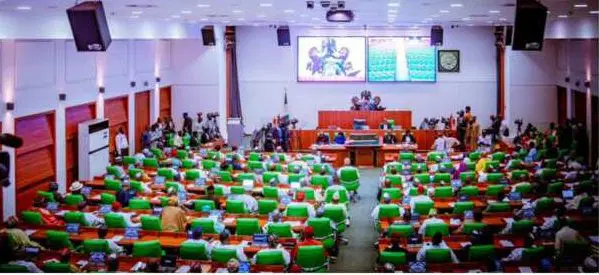

enshrine mandatory electronic transmission, satisfying transparency advocates but risking operational challenges in remote areas.allows manual fallback, easing logistical concerns but potentially opening loopholes for manipulation.
The committee’s decision will shape the 2027 electoral framework and could significantly influence public confidence in Nigeria’s democratic processes. As deliberations continue, stakeholders await a clear signal on whether reform will prioritize transparency, practicality, or a blend of both.