


Musa Antiketu report, | Journalist for Obaland magazine.
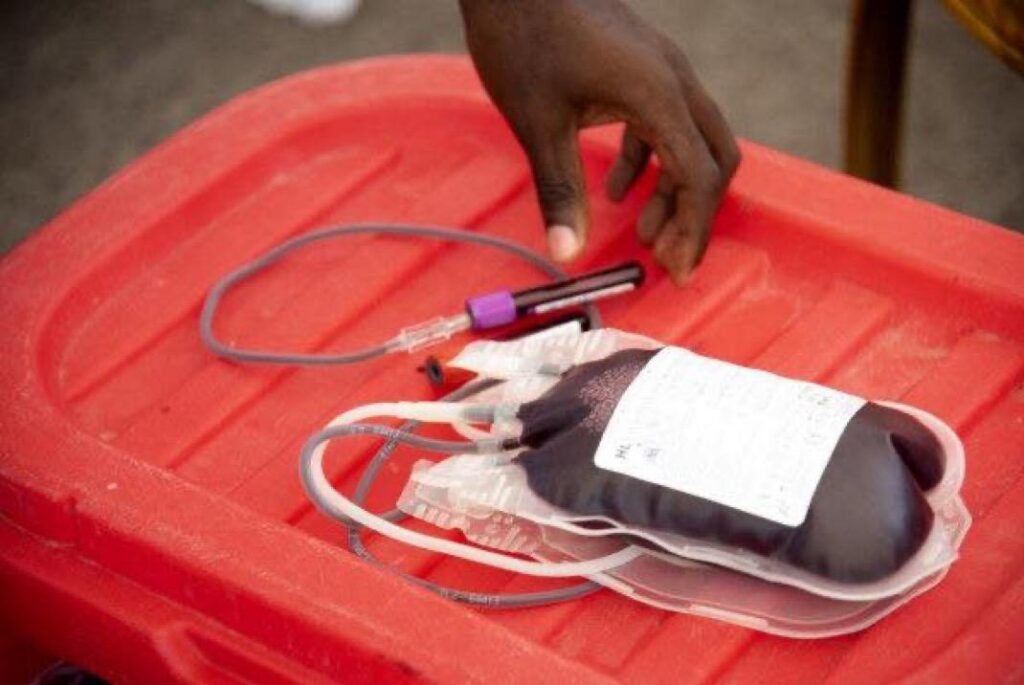
ABUJA, Nigeria — Nigeria dey try to make blood transfusion system safe, available and sustainable as health sector people dey work to confirm new National Blood Policy wey go fit solve long time issues for the country blood supply chain.
The policy review dey happen because of the wahala wey dey surround access to safe and enough blood for patients all over Nigeria. The Federal Government dey focus again to make voluntary blood donation stronger, improve quality and safety standards, and promote better coordination among institutions wey dey collect, test, process, store and distribute blood.
The Director-General of the National Blood Service Agency, Prof. Saleh Yuguda, talk this development for two-day National Blood Policy Review and Validation Workshop for Abuja on Thursday, according to Persecondnews. The agency dey try to update the existing framework to fit the new developments for Nigeria health sector and the country legal and regulatory environment wey dey change.
This review dey very important because Nigeria blood policy framework don dey since when the structure and regulatory requirements of the national health system be different. The current review dey consider major developments, including the National Health Act of 2014 and the National Blood Service Commission Establishment Act of 2021.
Stronger national blood system dey critical for healthcare delivery. Blood and blood products dey needed for emergency medicine, surgery, obstetric care, treatment of severe anaemia, trauma management and other medical interventions. Delay to access compatible and safe blood fit put patients for serious risk.
The World Health Organization (WHO) dey talk say to ensure the safety and availability of blood and blood products na core public-health responsibility. E dey stress say effective national blood systems need coordinated policies, sustainable financing, appropriate infrastructure, trained personnel, quality-control mechanisms and clear regulatory structures.
Nigeria don make efforts over the years to develop coordinated national blood service. But, studies still dey show challenges wey involve inadequate supplies, dependence on family replacement donations, insufficient voluntary donation and weaknesses for quality-assurance systems.
One review wey dem publish for the Asian Journal of Transfusion Science talk say Nigeria don dey struggle to meet its blood requirements and highlight the need for stronger donor recruitment, improved screening and continuous system-wide improvements to achieve safer and more sustainable blood transfusion service.
The move to make voluntary, non-remunerated blood donation stronger go still remain important part of the revised framework. Internationally, regular voluntary unpaid donors dey recognized as important foundation for safe and sustainable blood supply.
Recent research on Nigeria blood donation system don also identify voluntary non-remunerated donation as the safest and most desirable source of blood, while e dey note say many patients still dey face wahala to get safe and enough blood when dem need am.
Beyond increasing donations, the policy review fit get implications for traceability and accountability throughout the transfusion chain. Properly coordinated system suppose allow blood to dey tracked from donation and testing through storage and eventual transfusion, while ensuring say dem dey follow established standards for every stage.
The National Blood Service Commission existing operational guidelines don already dey try to standardize blood transfusion practices across the country, including requirements for blood establishments and hospital blood banks. Dem revise the guidelines for 2021 to fit incorporate developments for transfusion science and support implementation of Nigeria legal framework.
The success of the revised policy, however, go depend not only on how dem go adopt am but also on how dem go implement am. Sustainable funding, adequate laboratory and storage infrastructure, reliable logistics, trained personnel, effective regulation and public awareness go dey essential to turn policy commitments into better services for Nigerians.
For Obaland magazine, this development represent important public-health policy conversation wey get implications beyond healthcare sector. Reliable national blood system dey fundamental for emergency preparedness and to protect vulnerable patients, especially women wey dey face pregnancy-related complications, children wey get severe anaemia and victims of accidents and other emergencies.
The policy validation process therefore dey provide opportunity for government agencies, healthcare professionals, development partners, civil society organisations and citizens to contribute to stronger system wey fit deliver safe blood when and where e dey needed.
Nigeria challenge now na to ensure say the revised policy go move beyond drafting and validation stage into measurable implementation, with transparent standards and sustained investment wey fit build public confidence for voluntary blood donation and strengthen the country overall healthcare system.