


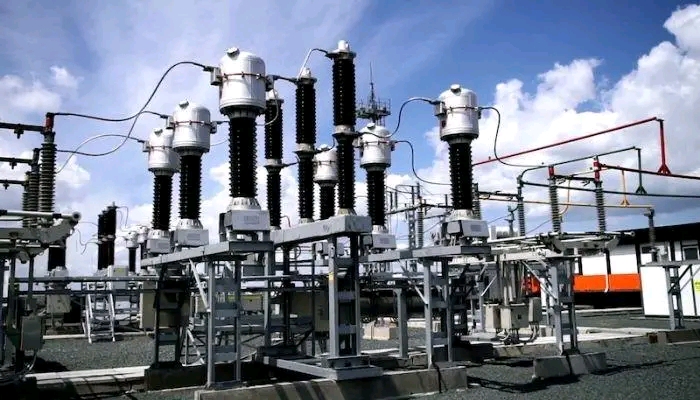
Nigeria don spend more dan one decade since government privatise parts of di electricity sector, but steady and reliable light still remain serious problem for millions of Nigerians. Di 2013 privatisation hand over generation and distribution assets to private investors with di hope say beta management, investment and competition go improve electricity supply. But today, many homes and businesses still dey depend heavily on generators, solar systems and oda alternative sources of power.
Di problem no be say Nigeria never try reform di electricity sector. Government don bring different policies, change regulation, restructure institutions and provide financial intervention, but challenges around generation, gas supply, transmission, distribution, metering, revenue collection and debt still dey affect di market.
One major wahala na di financial condition of di distribution companies, wey dem dey call DisCos. Di 11 DisCos togeda get about ₦1.3 trillion outstanding liabilities as of September 2025. Di heavy debt burden don put additional pressure on companies wey suppose maintain distribution networks and collect enough money to keep di electricity market running.
Revenue collection emself na anoda serious challenge. According to figures from Nigerian Electricity Regulatory Commission, NERC, DisCos receive electricity worth about ₦336.43 billion for January 2026, bill customers about ₦268.20 billion, but collect only ₦204.74 billion. Di average revenue recovery efficiency fall to 69.16 per cent, compared with 72.31 per cent for 2025.
Technical losses, electricity theft, old equipment, weak transformers, overloaded networks and poor metering too dey make di mata harder. Nigeria power sector reform say industry losses dey average around 34 to 35 per cent, while only about 70 per cent of billed revenue dey recovered. Millions of customers still dey face estimated billing, even as government dey push different metering programmes.
Transmission and generation too remain serious parts of di problem. Nigeria fit get installed generation capacity above 13,000 megawatts, but actual electricity wey reach consumers dey remain far below dat level. TheCable report say actual delivered power don rarely sustain 5,000 megawatts, showing di wide difference between what di system fit produce on paper and wetin Nigerians actually receive.
Government and regulators, however, say reforms still dey move forward. NERC recently issue new order wey require DisCos to use earned non-administrative operating expenditure for network upgrades and service improvement. Di commission say di measure na part of effort to improve reliability and make available revenue go into critical electricity infrastructure.
Di Federal Government too dey pursue anoda direction through decentralisation. Under di Electricity Act 2023, states don begin establish dia own electricity regulatory structures. By August 2026, 17 states had established state electricity regulatory commissions, according to di Bureau of Public Enterprises. Government too say about 668,000 meters don already dey installed unda di World Bank-supported Distribution Sector Recovery Programme.
Anoda recent development na di launch of a $300 million Distributed Renewable Energy Fund, wey Reuters report say government launch on September 21, 2026. Di programme dey target off-grid electricity, especially areas wey national grid supply never adequately reach.
Still, di central question remain: why steady electricity never become normal afta privatisation?
Di answer no dey inside one problem alone. Di electricity value chain involve gas suppliers, generating companies, transmission operators, distribution companies, regulators, government agencies and consumers. If one major part of di chain no function properly, e fit affect di whole system.
Private ownership alone no solve infrastructure shortages, unpaid debts, weak revenue collection or transmission limitations. Different reports and industry analyses don point to di need for long-term investment, stronger regulation, better coordination between federal and state authorities, improved metering, reliable gas supply and stronger financial discipline across di market.
For ordinary Nigerians, di effect of di electricity crisis dey go beyond darkness for house. Businesses wey depend on generators must spend more money on fuel and maintenance. Small manufacturers, traders, hospitals, schools and oda organisations also face higher operating costs when public electricity supply no reliable.
Di challenge remain both economic and developmental. Nigeria need electricity wey households fit depend on and businesses fit plan around. As government continue with privatisation reforms, state electricity markets, debt restructuring, metering programmes and renewable-energy investment, di real test go be weda all dis measures fit translate to more dependable electricity for ordinary pipo.
For now, di evidence show say Nigeria electricity sector don enta anoda stage of reform, but di long-running problem of unreliable supply never finish.
Nigeria electricity crisis still dey affect homes and businesses despite privatisation and new reforms. See di major challenges around DisCos, debt, metering, generation and transmission.