


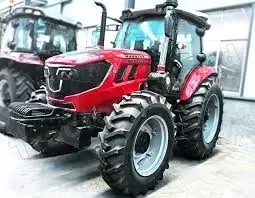
Nigeria Faces 250,000 Tractor Deficit as Experts Call for Private Investment to Drive Agricultural Mechanisation
Nigeria requires an estimated 250,000 tractors to modernise its agricultural sector, improve farm productivity, and strengthen national food security, according to industry stakeholders who say greater private sector investment is essential to closing the country’s mechanisation gap.
Despite agriculture remaining one of Nigeria’s largest employers and a key contributor to the national economy, mechanisation levels remain among the lowest in Africa. Most smallholder farmers continue to rely on manual labour and rudimentary farming tools, limiting productivity and making large-scale food production difficult.
Experts argue that expanding access to tractors and modern farm equipment would significantly increase cultivated land, reduce post-harvest losses, improve efficiency, and help lower the cost of food. They also note that increased mechanisation is crucial for attracting younger Nigerians into agriculture and making the sector more commercially competitive.
The estimated need for 250,000 tractors underscores the scale of Nigeria’s agricultural infrastructure deficit. Industry analysts say that while government interventions have introduced various tractor acquisition and leasing programmes over the years, current supply remains far below national demand.
Stakeholders believe that the private sector has a critical role to play by investing in tractor manufacturing, equipment leasing, financing solutions, and mechanisation service centres. Such investments, they argue, would complement public sector initiatives while making modern farming equipment more accessible and affordable for smallholder farmers.
Improving agricultural mechanisation is also seen as essential to achieving Nigeria’s broader food security goals. With rising population growth, climate related challenges, and increasing food prices, experts say boosting farm productivity through technology and modern equipment is no longer optional but an economic necessity.
Analysts further recommend policies that encourage local assembly and manufacturing of agricultural machinery, improved access to credit for farmers, and stronger partnerships between government, financial institutions, and private investors. These measures, they say, could accelerate mechanisation while creating jobs and stimulating rural economic development.
As Nigeria seeks to diversify its economy beyond oil, expanding agricultural mechanisation is expected to remain a strategic priority. Closing the country’s tractor deficit could significantly improve crop yields, enhance food availability, reduce imports, and strengthen the resilience of the agricultural value chain.