


Nigeria Tax Reform Don Reduce wahala For Poor People, and people wey get Small Businesses.
Nigeria tax reform don help reduce the money burden wey poor people and small businesses dey face, while government don also remove plenty different taxes wey dey disturb people, according to the Joint Revenue Board (JRB).
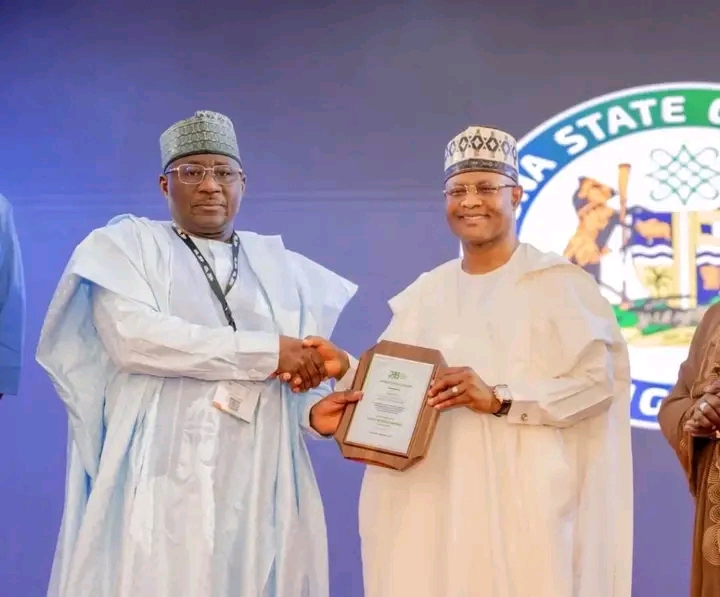
JRB tok this during di Board 160th meeting wey dem hold for Kaduna State from September 1 to 2, 2026. Di meeting bin carry di theme, “One Year of Reform: Assessing Progress and Addressing Challenges.” Revenue officials from different levels of government bin gather for di meeting to check wetin di tax reforms don achieve for di first year and di problems wey still dey.
According to JRB Executive Secretary, Olusegun Adesokan, 18 State Houses of Assembly don already adopt di Model Harmonized Taxes and Levies Law. E tok say di new system don reduce more than 50 different collection items wey states and local governments bin dey collect before, bring dem down to just nine main areas. Di reform also stop cash collection and roadblocks for tax collection, something wey di authorities say go help reduce harassment, duplication and lack of transparency for tax collection.
Adesokan reject claims say di new tax reforms don increase di burden for Nigerians. According to am, di new system dey give relief to low income earners and small businesses, while e dey remove plenty nuisance taxes. But di Board still acknowledge say di success of di reforms no suppose only depend on how much money government collect. Di real test go be whether di reforms fit make more people willingly pay tax, improve di experience of taxpayers, strengthen revenue collection and help government provide better development.
Kaduna State Governor, Uba Sani, also tok say people no suppose judge di tax reforms only by di amount of money government dey collect. E say government need build strong institutions wey fit maintain di progress, make tax payment easier and increase people confidence for di tax system.
Di reforms dey happen as Nigeria continue with one major change for di way government dey collect and manage taxes. Di Joint Revenue Board don replace di former Joint Tax Board under Nigeria new tax reform laws. Di Board dey coordinate tax and revenue authorities for federal and state levels.
JRB also don release new 2026 Personal Income Tax Guidelines as part of di implementation of di new tax laws. Government say di wider reform programme dey focus on digital tax collection, better sharing of information, stronger institutions and better coordination between different revenue authorities.
But while JRB dey say di reforms don reduce pressure on low income earners and small businesses, di long term impact still go depend on how well government implement di new system. Independent assessment go also remain important to determine whether ordinary Nigerians and businesses truly dey benefit from di changes.